Building in Whistler
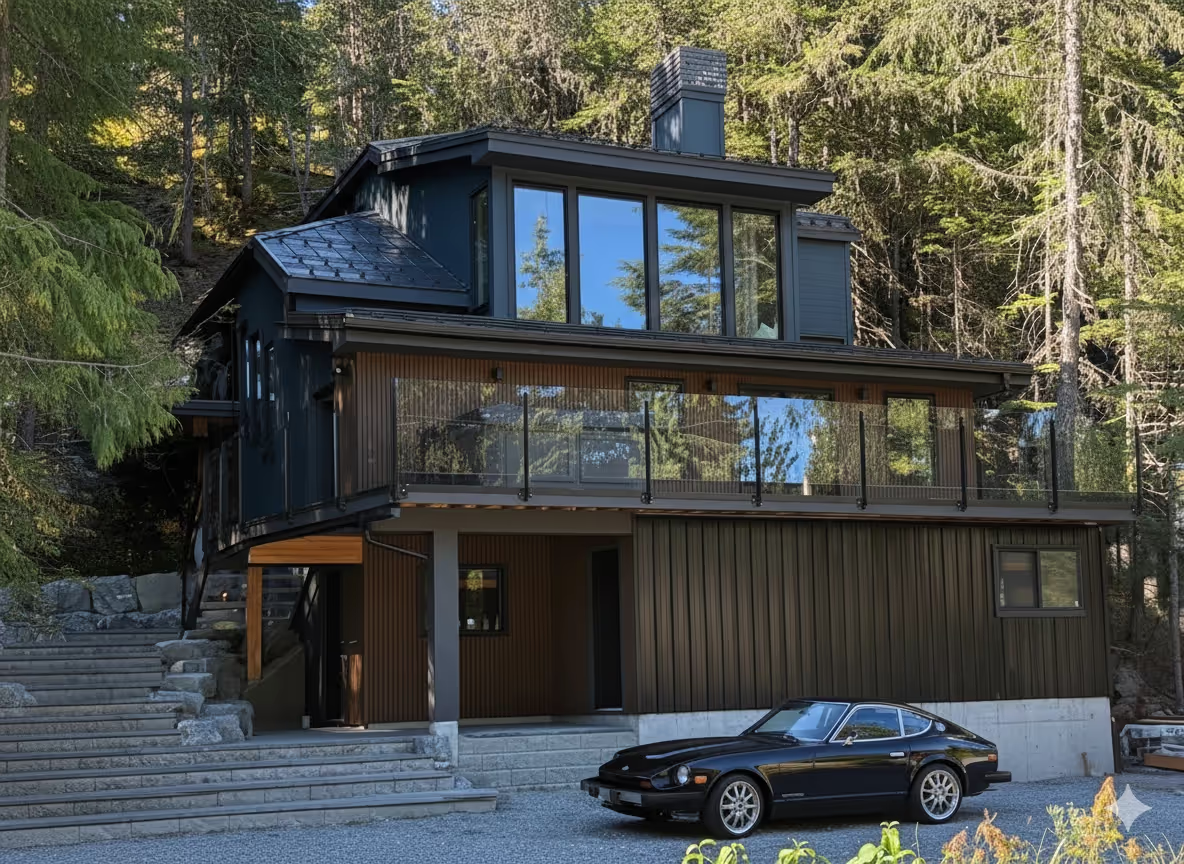
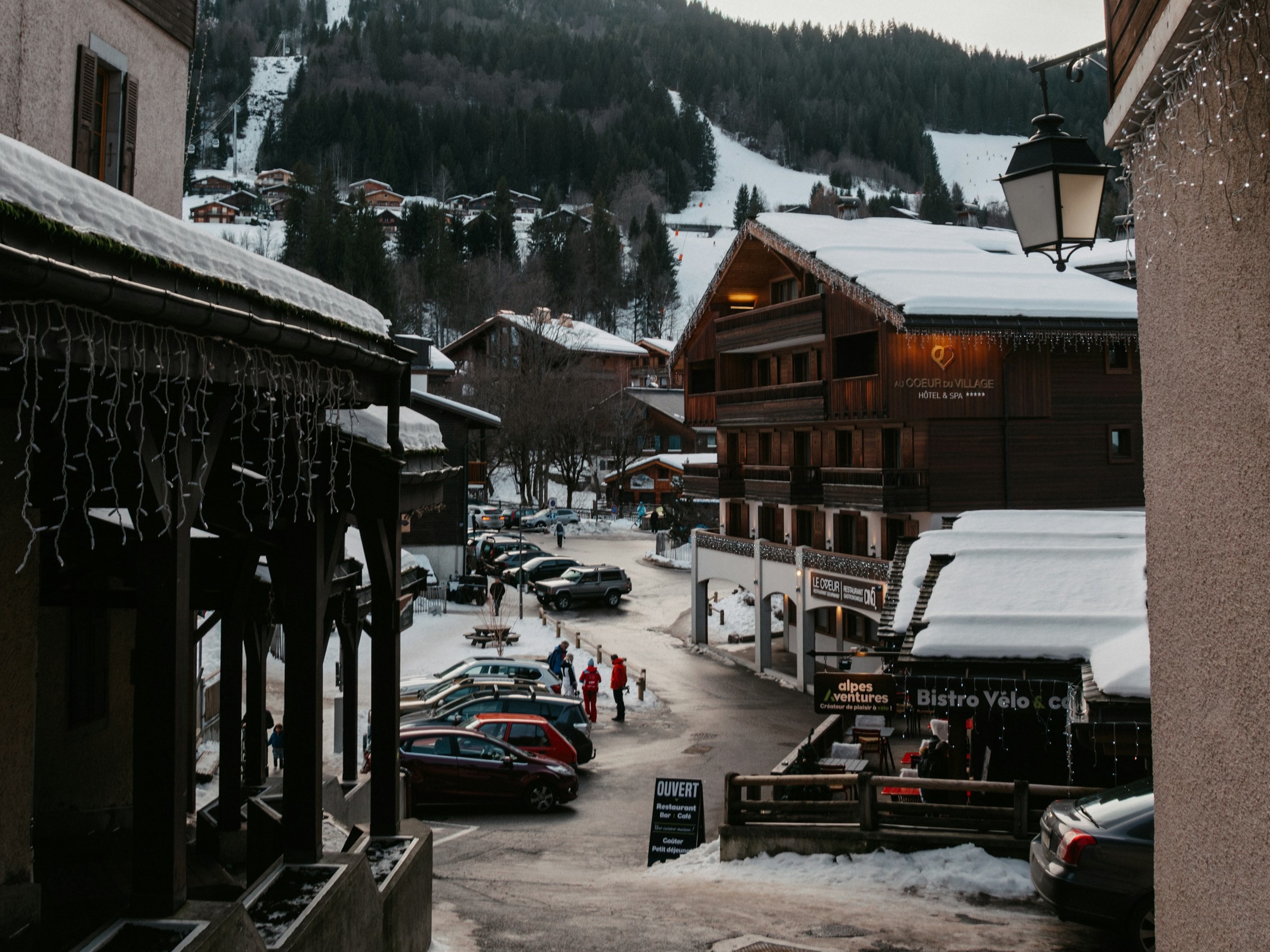
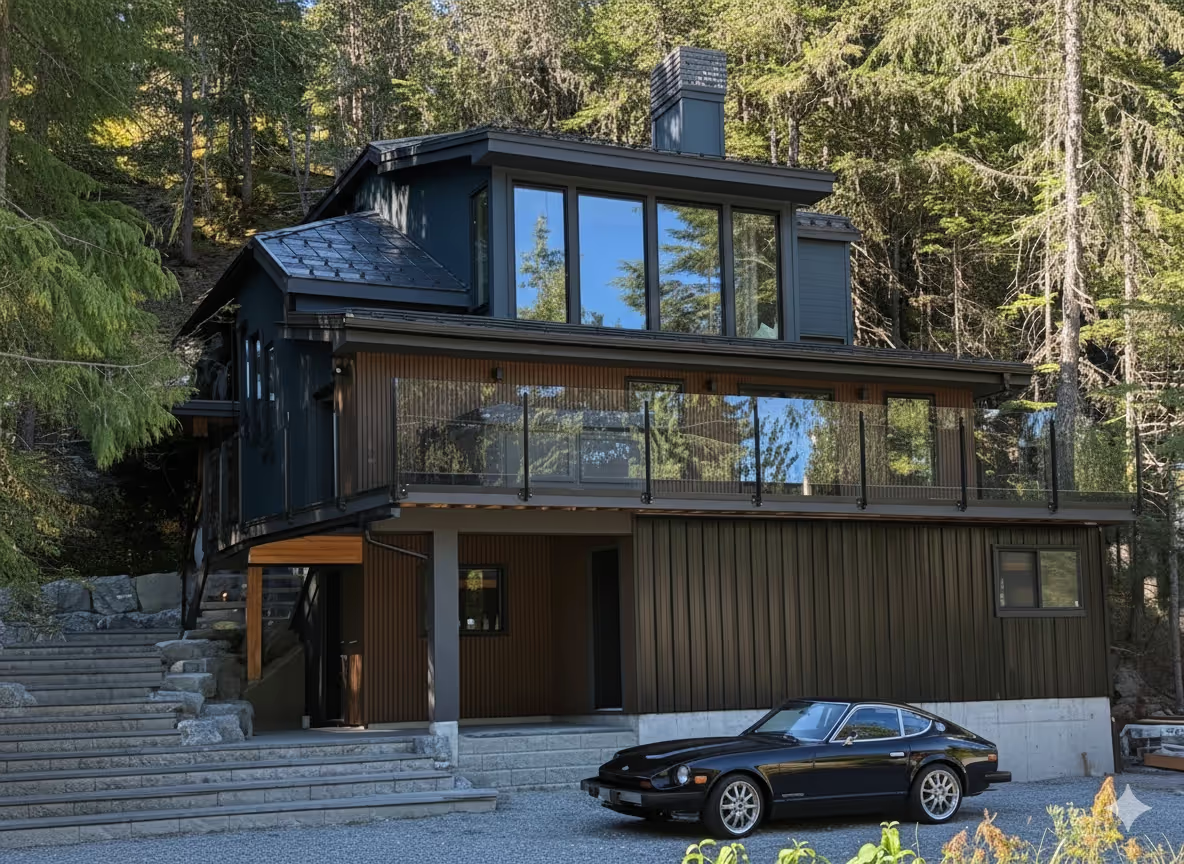
Whistler isn't Metro Vancouver with better views—it's a different market entirely. Resort town zoning, alpine building code requirements, and a design review process built around protecting the forest and mountain backdrop set a higher bar than a typical suburban build. We've built here ourselves: Stillwater, a five-bedroom mountain retreat tucked into a forested acre, taught us what a Whistler project actually demands from permit through to the roofline.
What to Know About Building in Whistler
The Resort Municipality of Whistler operates differently than the municipalities we typically build in. Most custom homes and major renovations need a development permit as well as a building permit—RMOW's design guidelines exist specifically to keep new construction from standing out against the trees and mountains, and applications are reviewed by the Planning Department and often referred to the Advisory Design Panel for design review. Layering design review on top of standard building permit review means the process commonly runs longer than a comparable project in Burnaby or Langley—often several months from application to permit issuance depending on site complexity and where a project lands in the review queue.
Alpine building code requirements shape almost every structural decision. Roofs need to be engineered for snow loads that run from roughly 3.0 to 5.0+ kPa depending on elevation and site exposure—well beyond what's required at sea level in the Lower Mainland—which usually means heavy timber or structural steel rather than standard framing. RMOW's design guidelines also push toward natural stone, timber, and roof pitches that shed snow cleanly, and the municipality has been raising energy step code requirements above the provincial base, so envelope, glazing, and mechanical systems all need to be planned around a higher performance target from day one.
Local Considerations and Challenges
Whistler lots are rarely flat. Steep grades, exposed rock, and heavy tree cover are the norm on the more desirable sites, and blasting, retaining walls, and engineered foundations are common line items rather than exceptions. RMOW's design guidelines protect significant trees, so an arborist-guided layout is usually worth doing before a footprint is finalized rather than after. Construction access is seasonal too—winter builds have to work around narrow weather windows, and everything from lumber to finishing materials travels up the Sea-to-Sky Highway, which adds real logistics and trade travel costs compared to building closer to the city.
Zoning is the other piece worth understanding early, especially for investment-minded buyers. Short-term and nightly rentals are only legal on parcels zoned Tourist Accommodation or covenanted as Phase 1 or Phase 2—most single-family residential zones don't allow it at all, so a property's zoning needs confirming before anyone assumes a chalet can be rented nightly. On the other end, recent provincial housing legislation has opened up auxiliary residential dwelling units—garden suites, carriage houses, secondary suites—on many Whistler parcels, which is worth exploring for owners who want a caretaker unit or extra income suite alongside the main house.
Cost of Building in Whistler
Whistler costs run well above what clients typically see in the Metro Vancouver suburbs. Custom home construction commonly lands in the $500-800+ per square foot range, and ultra-premium finishes on the most demanding sites can push past $1,000 per square foot. Land alone commands a premium in neighbourhoods like Kadenwood and Stonebridge, and a full custom mountain home—land aside—often represents a total project in the $2-5M+ range depending on size, site conditions, and finish level.
Several things drive Whistler costs higher than a comparable build in the suburbs. Steep, rocky, or heavily treed sites need blasting, retaining structures, and engineered foundations before framing even starts. Meeting Whistler's elevated energy step code requirements adds meaningfully to the upfront budget through better insulation, airtightness, and mechanical systems. Snow-load engineering pushes structural costs higher too, and materials and trade labour both carry a premium once you factor in hauling everything up the Sea-to-Sky Highway and the travel costs for crews commuting from Squamish or the Lower Mainland.
Who's Building in Whistler
Whistler's client base is more varied than a typical suburb. Full-time residents—business owners, longtime locals, families who've made the move permanent—want homes built for year-round mountain living, not just weekends. Second-home owners from Vancouver, Seattle, and further afield want a mountain retreat that feels effortless when they arrive and low-maintenance while they're away. A third group buys with rental income in mind, which is why confirming Tourist Accommodation or Phase 1/Phase 2 zoning matters before design even starts.
What unites most Whistler clients is a high bar for finish and a real understanding that this is a different kind of build than a suburban renovation. Custom home clients typically want ski access, view orientation, and durable materials that hold up to heavy use, gear, and guests. Renovation clients are often updating 80s and 90s-era chalets—swapping dated envelopes and layouts for something that meets today's energy step code and actually works for how they use the house now.
-
Build your dream home from the ground up
Custom Homes
read more -
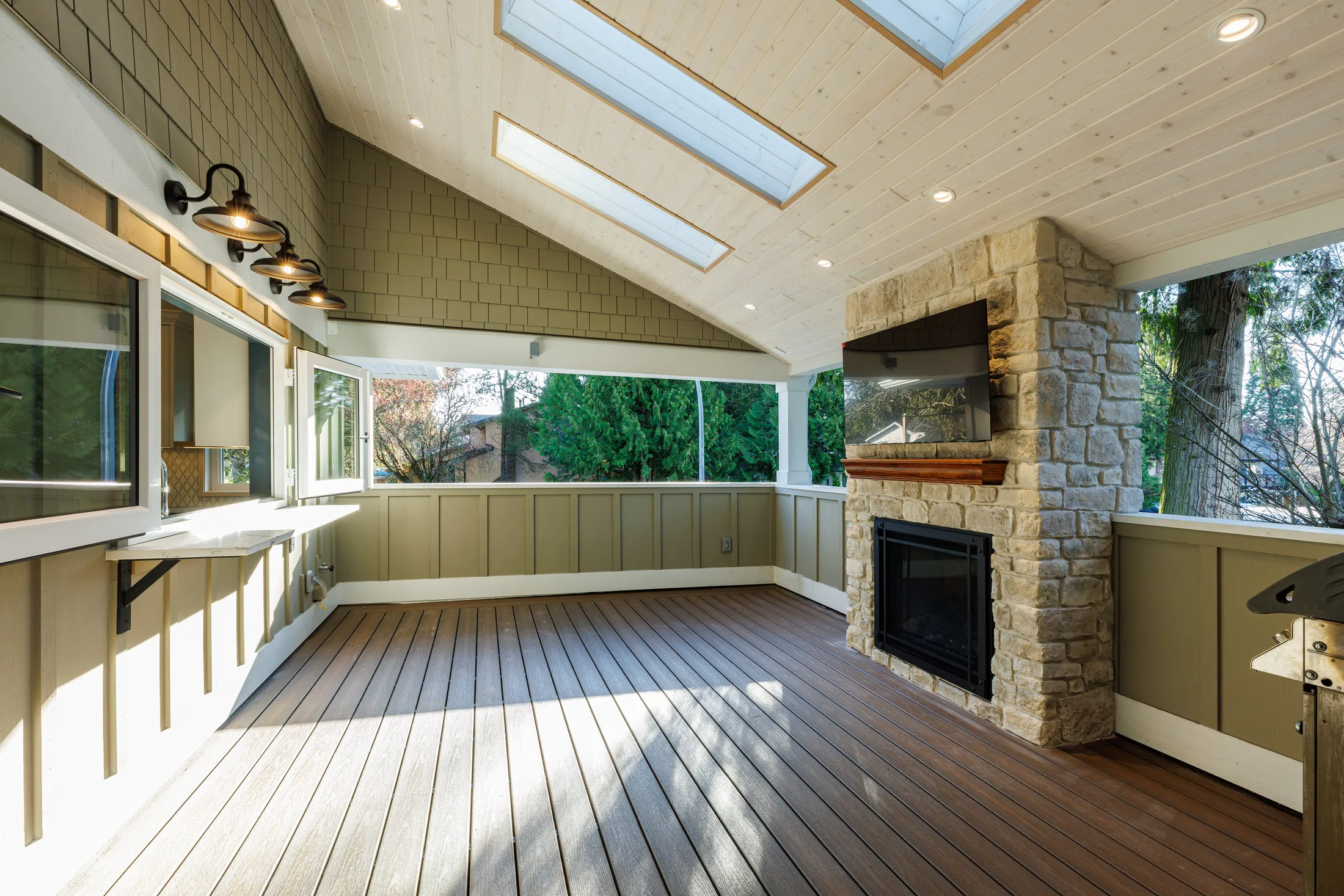
Complete home transformations tailored to how you live
Home Renovations
read more -
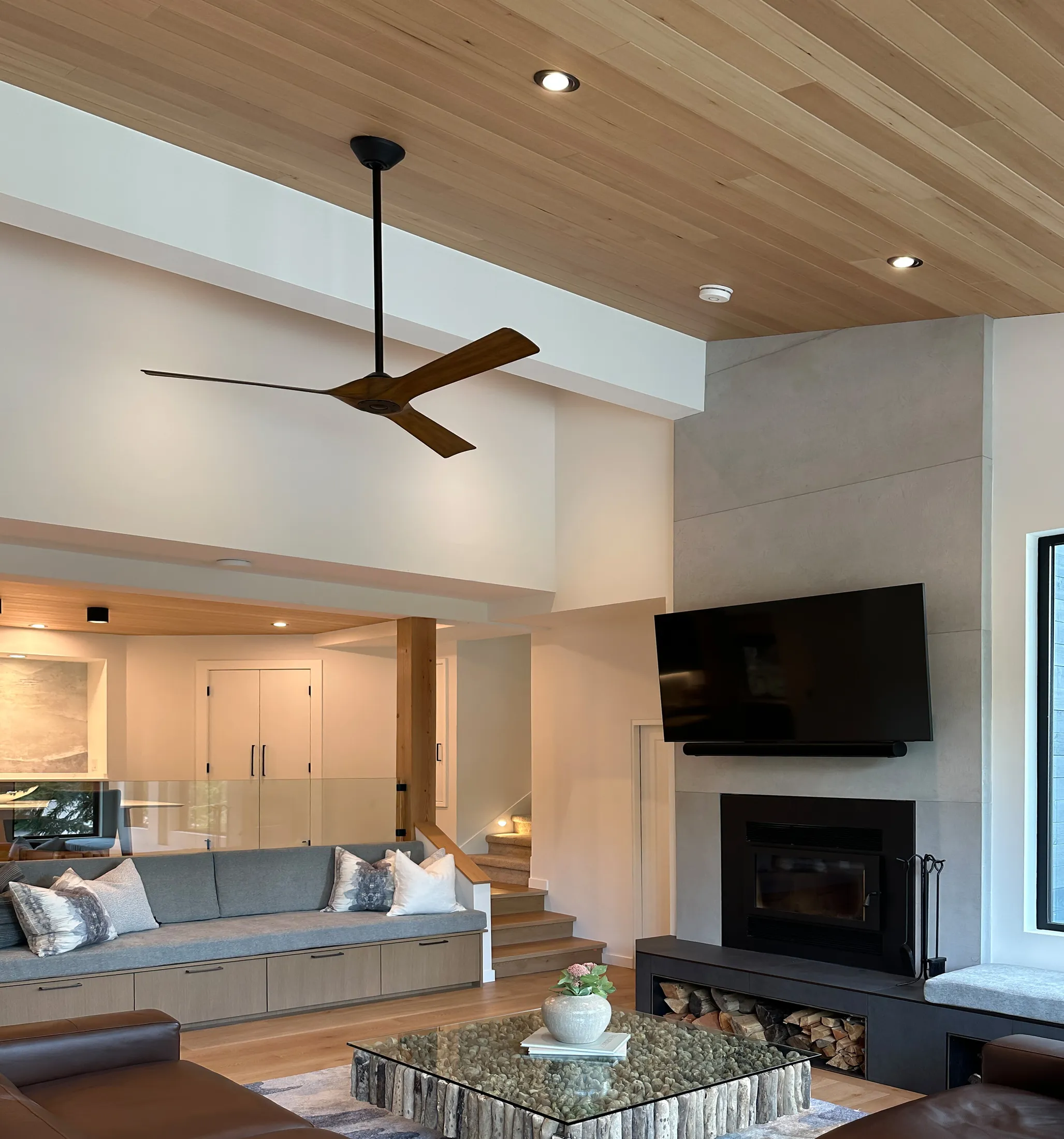
Design-build collaboration from concept to construction
Architectural Design
read more -
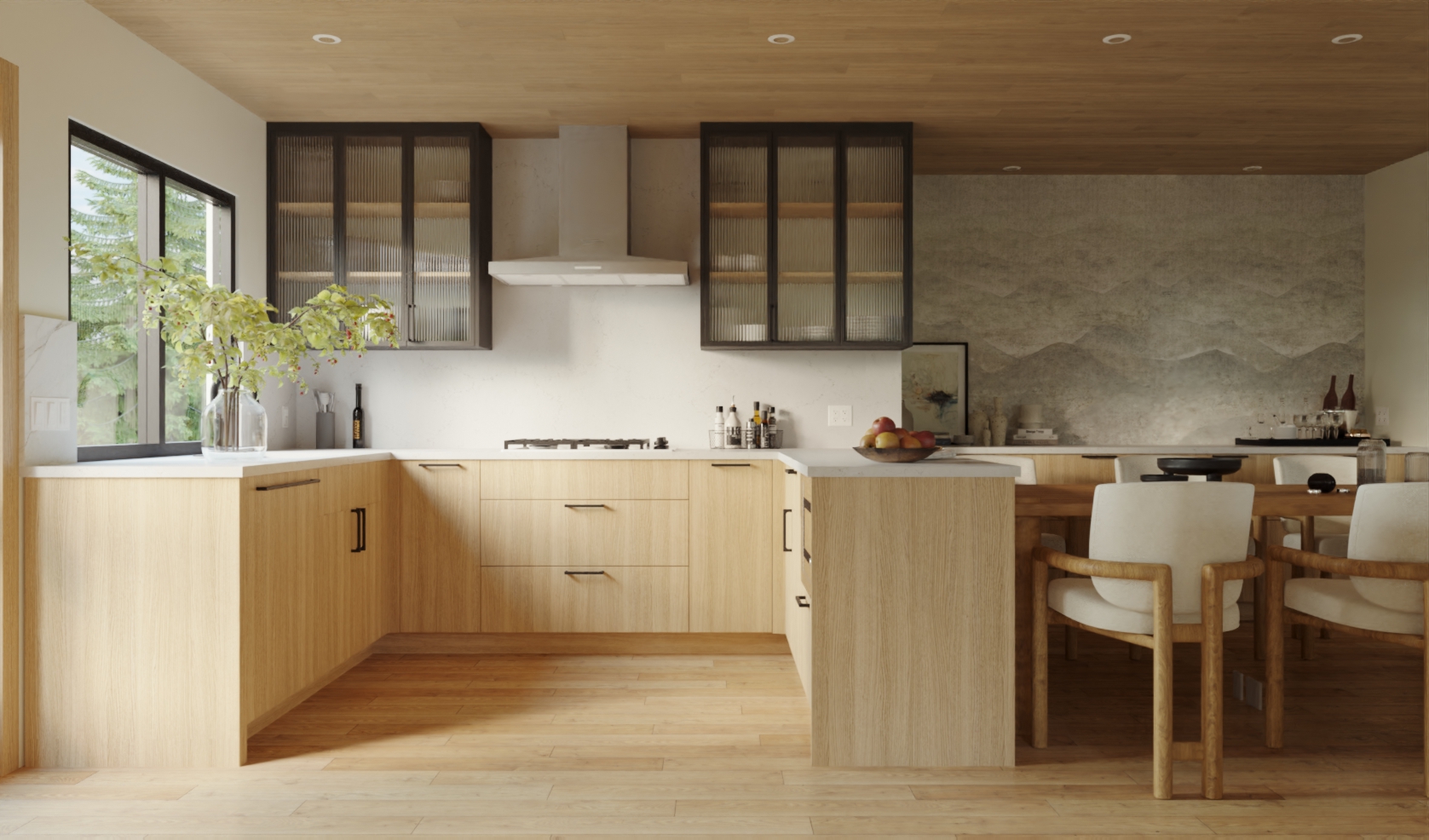
Transform your kitchen with expert design and execution
Kitchen Renovations
read more -
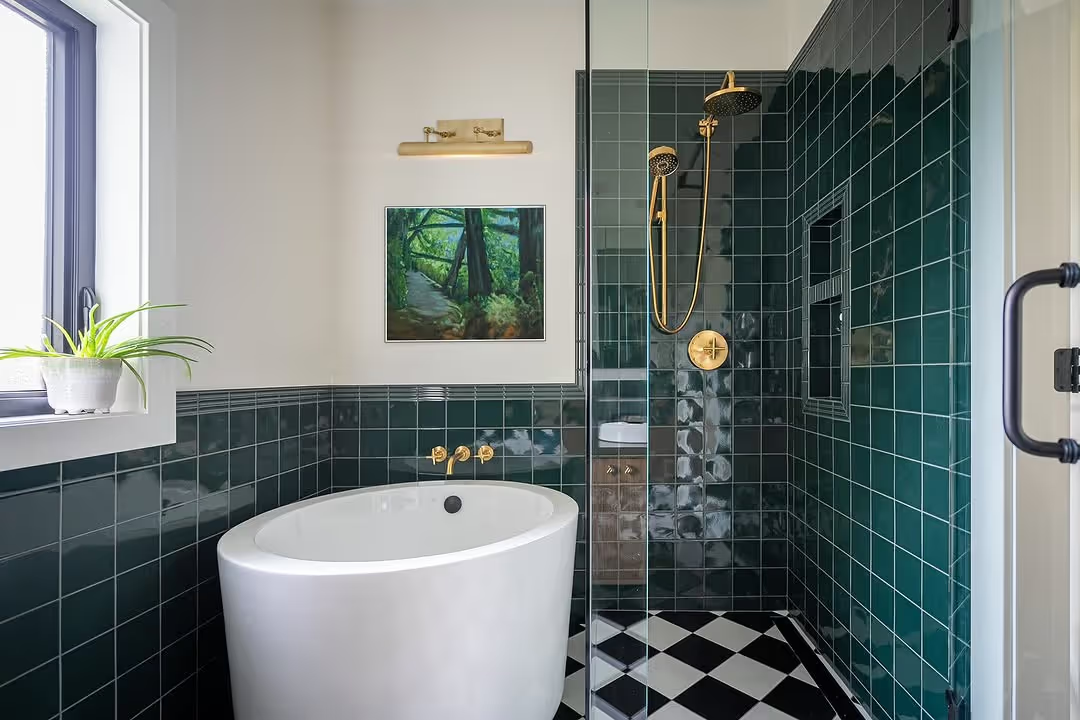
Create your spa-like retreat with quality craftsmanship
Bathroom Renovations
read more -
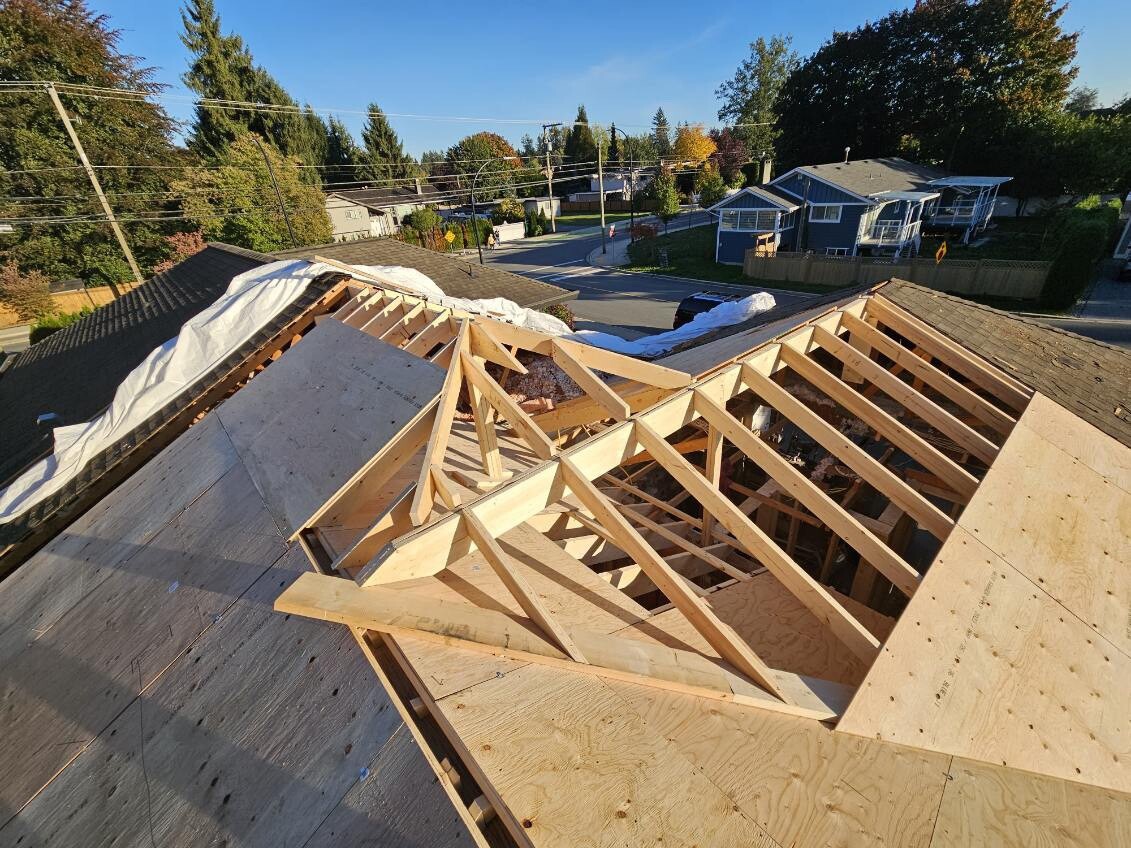
New home construction with full project management
Home Construction
read more -
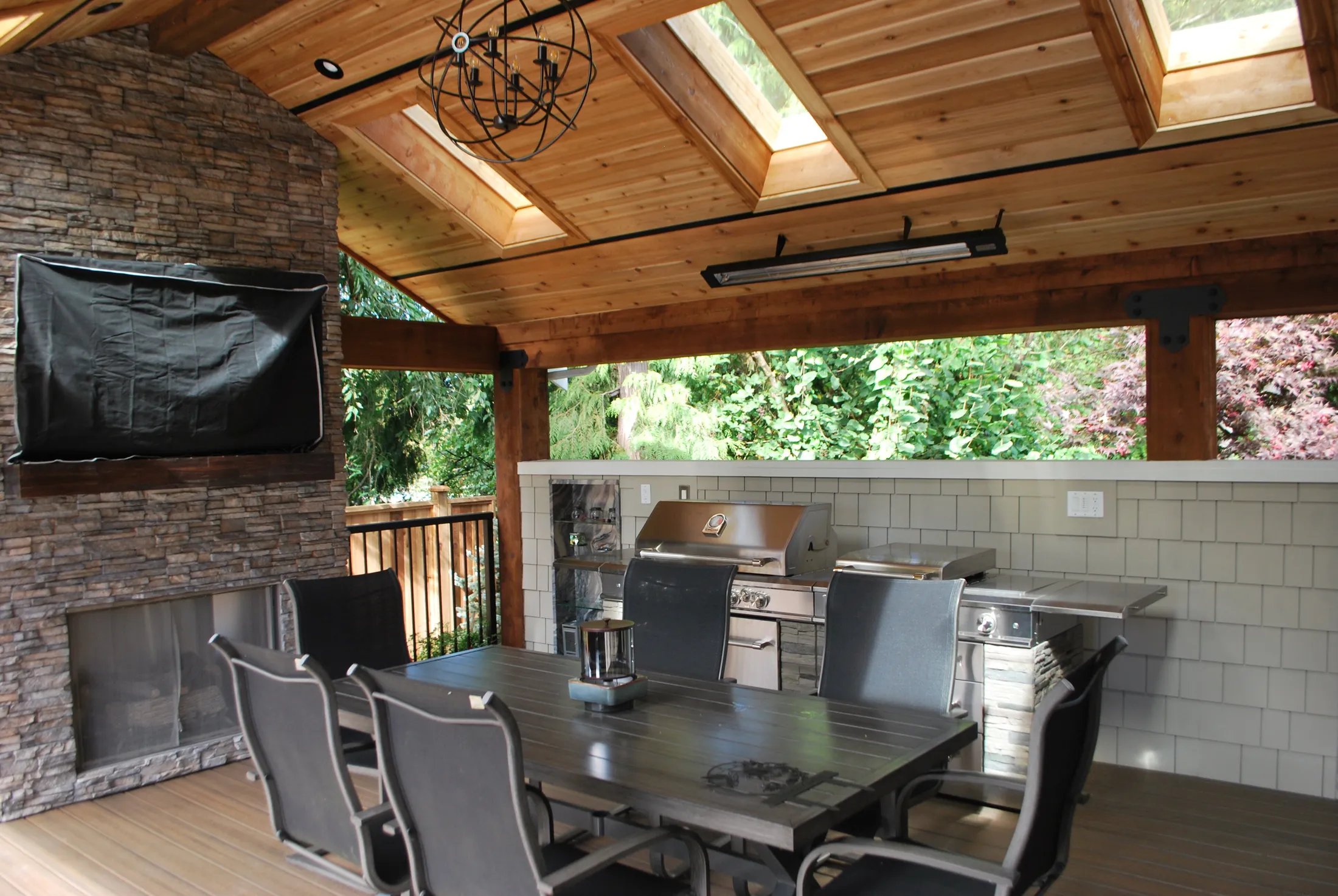
Expand your living space without moving
Home Additions
read more -
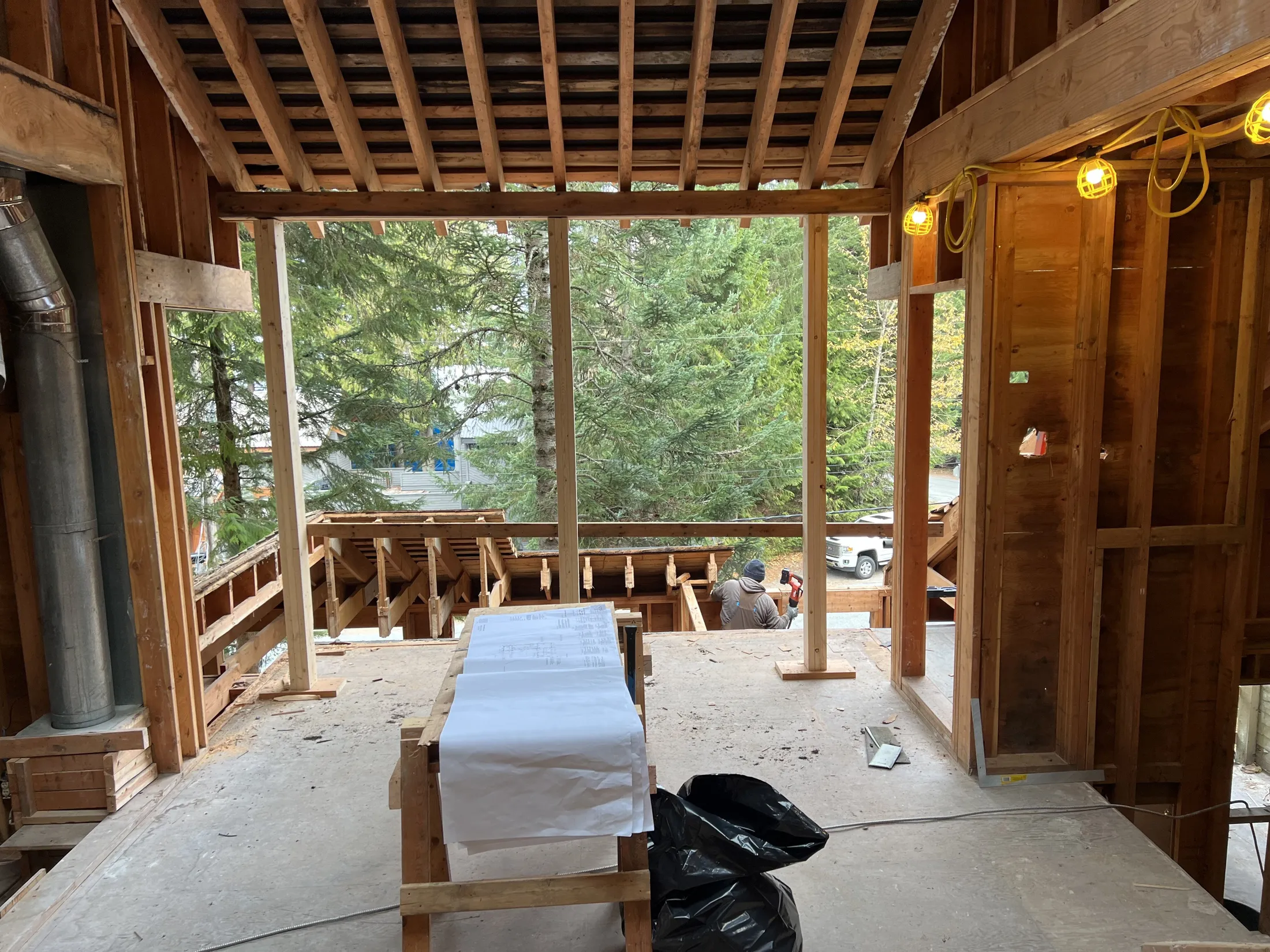
Add space without losing your lot
Second Story Additions
read more
frequently asked questions
If you don't see yours here, get in touch and we'll help.
How long does it take to get a building permit in Whistler?
Whistler's process usually takes longer than nearby municipalities because most custom homes and major renovations need a development permit and design review in addition to a building permit. Depending on complexity and the Advisory Design Panel's schedule, design and permitting commonly runs several months—often in the 4-9 month range—compared to weeks in a suburb like Burnaby.
Do I need a development permit as well as a building permit?
In most cases, yes. RMOW's design guidelines are built around protecting the forest and mountain backdrop, so custom homes and significant renovations typically go through Planning Department review and are often referred to the Advisory Design Panel before a building permit can be issued.
Can I use my Whistler property as a short-term rental?
Only if it's zoned for it. Nightly and short-term rentals are legal on parcels zoned Tourist Accommodation or covenanted as Phase 1 or Phase 2—most single-family residential zones don't allow it. If rental income is part of your plan, we confirm zoning before design work starts.
What neighbourhoods are best for a custom build in Whistler?
Kadenwood offers ultra-luxury ski-in/ski-out estates with private gondola access. Stonebridge is quieter and more secluded. Alpine Meadows is one of Whistler's largest neighbourhoods with a family-friendly mix of single-family homes and townhomes. Alta Vista sits along Alta Lake close to the Valley Trail and the Village, and Spring Creek is an established residential area a short drive from the core. Each has a different character and typical lot profile.
How much does it cost to build a custom home in Whistler?
Custom construction commonly runs $500-800+ per square foot, with ultra-premium finishes on demanding sites pushing past $1,000. A full custom mountain home often represents a $2-5M+ total project depending on size, site complexity, and finish level—meaningfully higher than a comparable build in the Metro Vancouver suburbs.