Building in Richmond
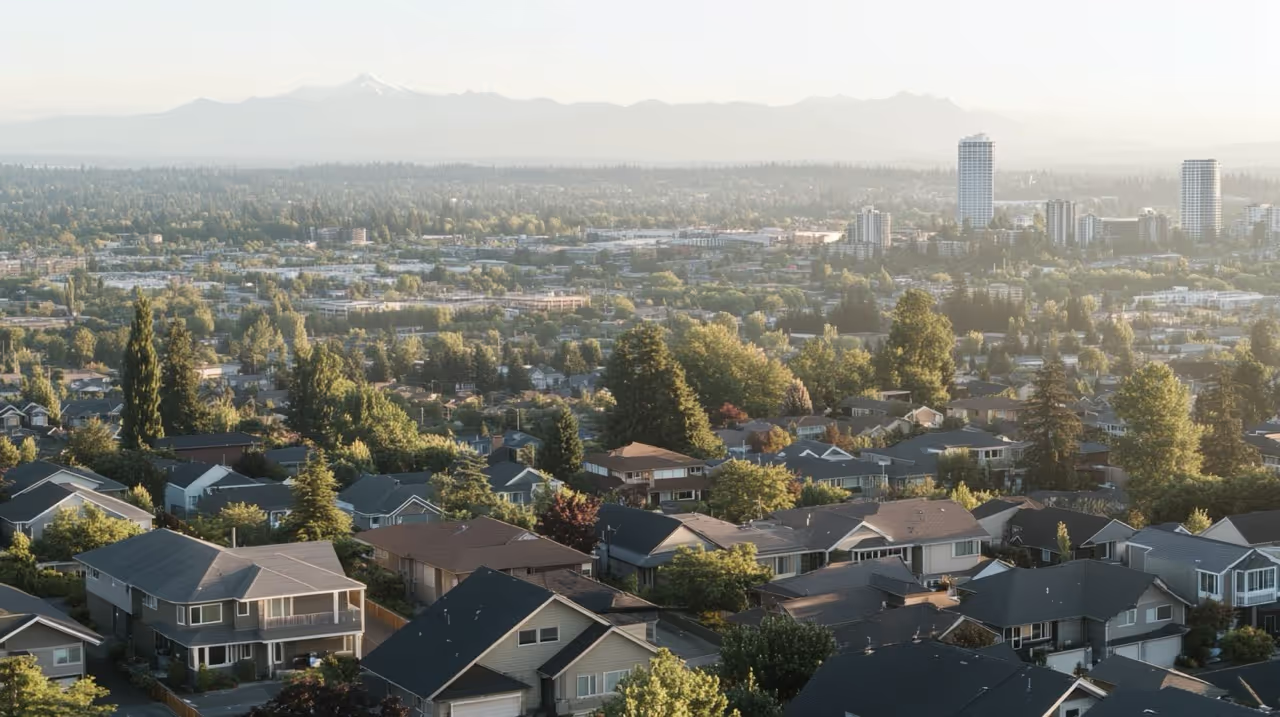
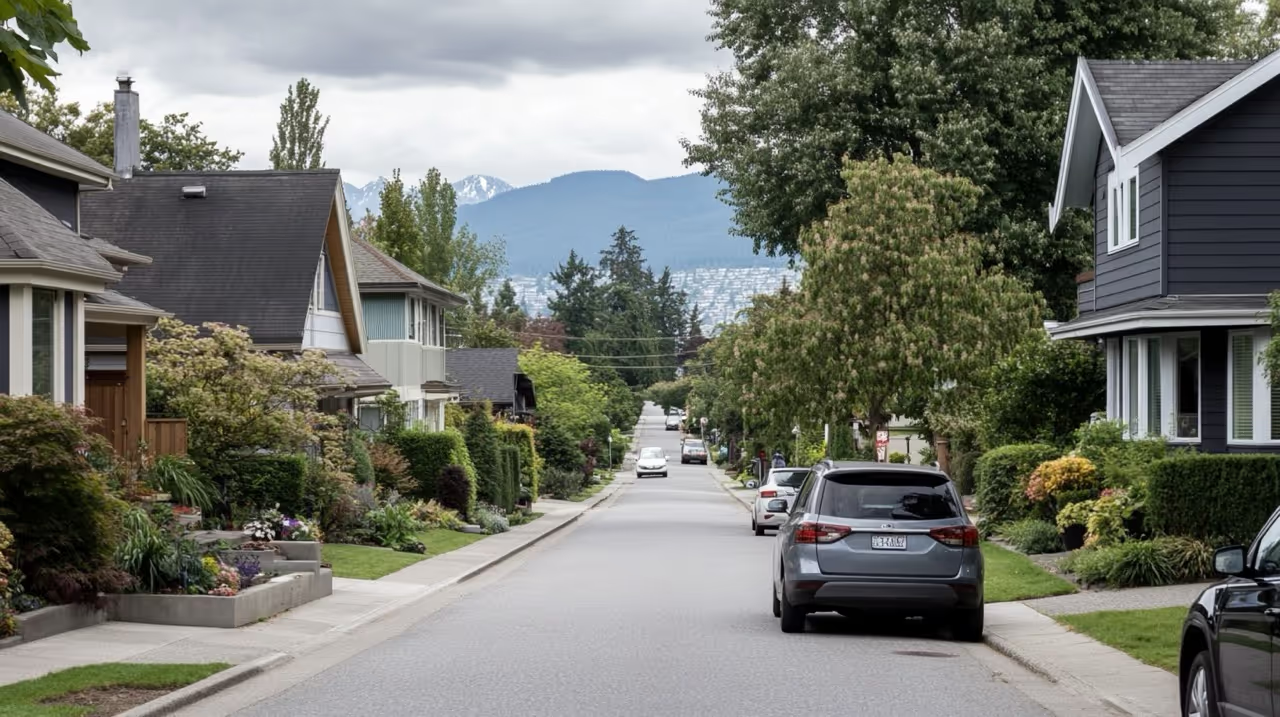
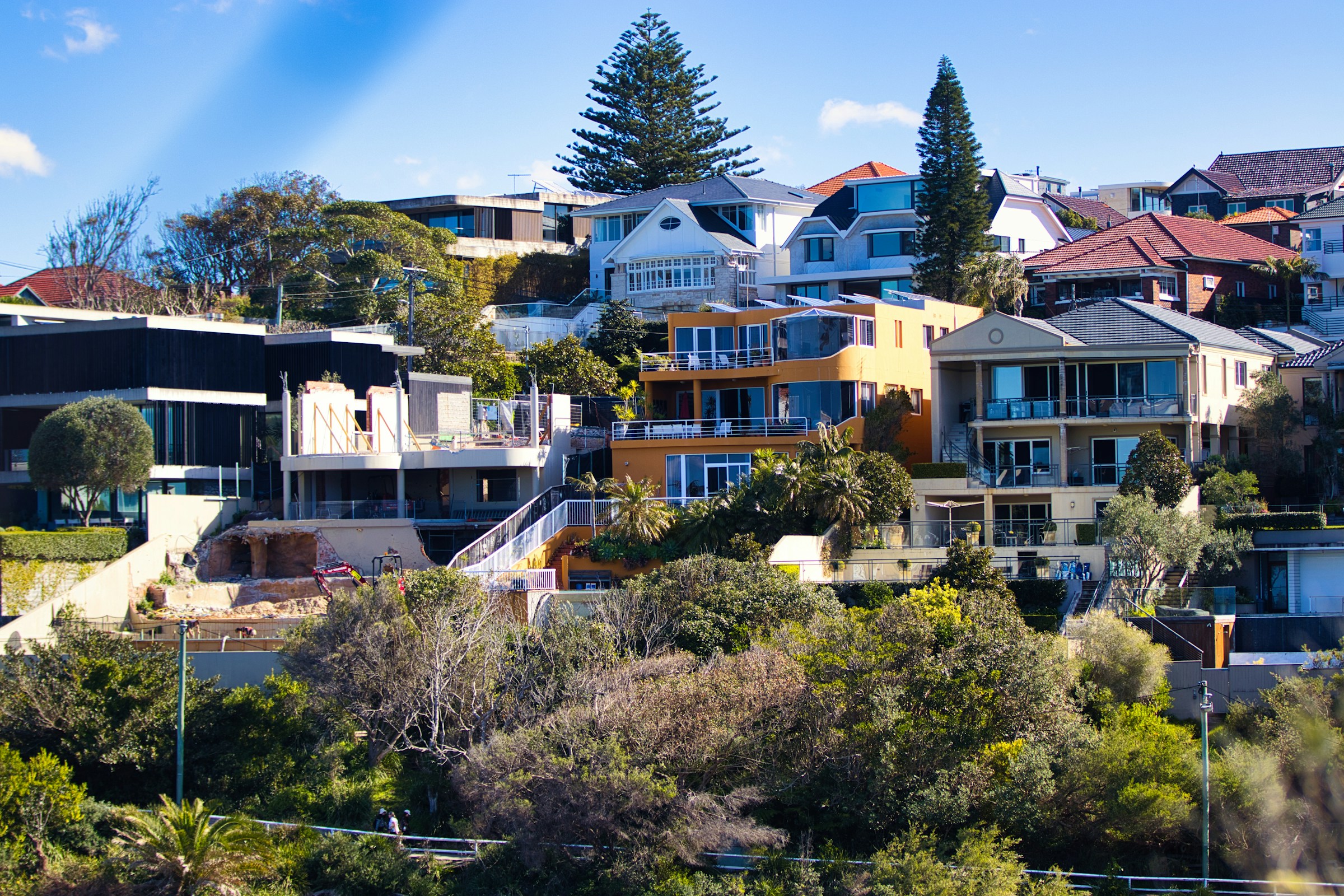
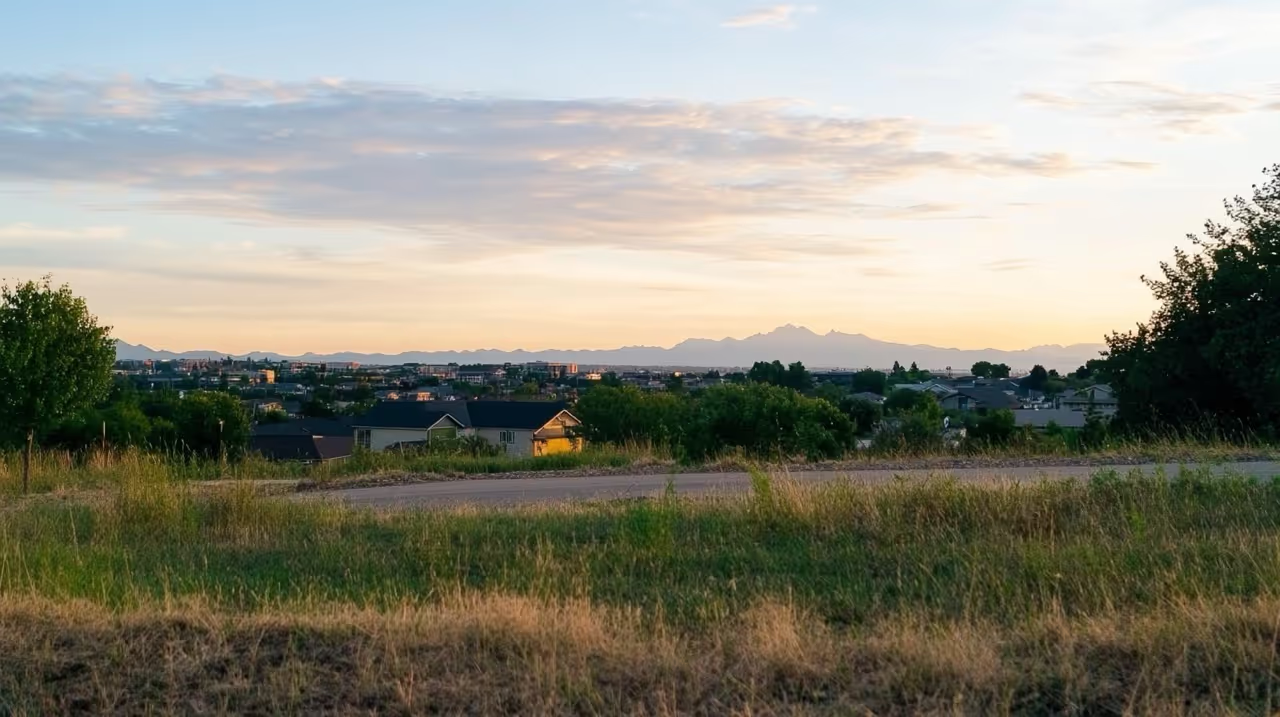
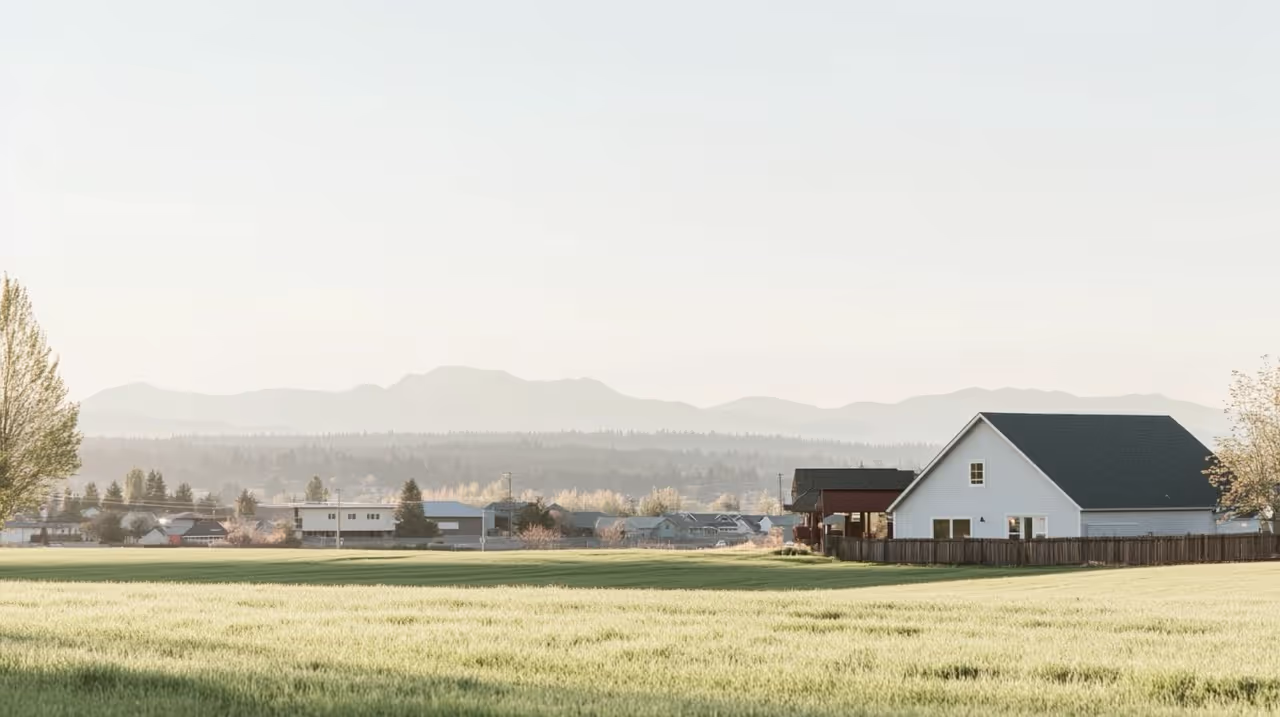
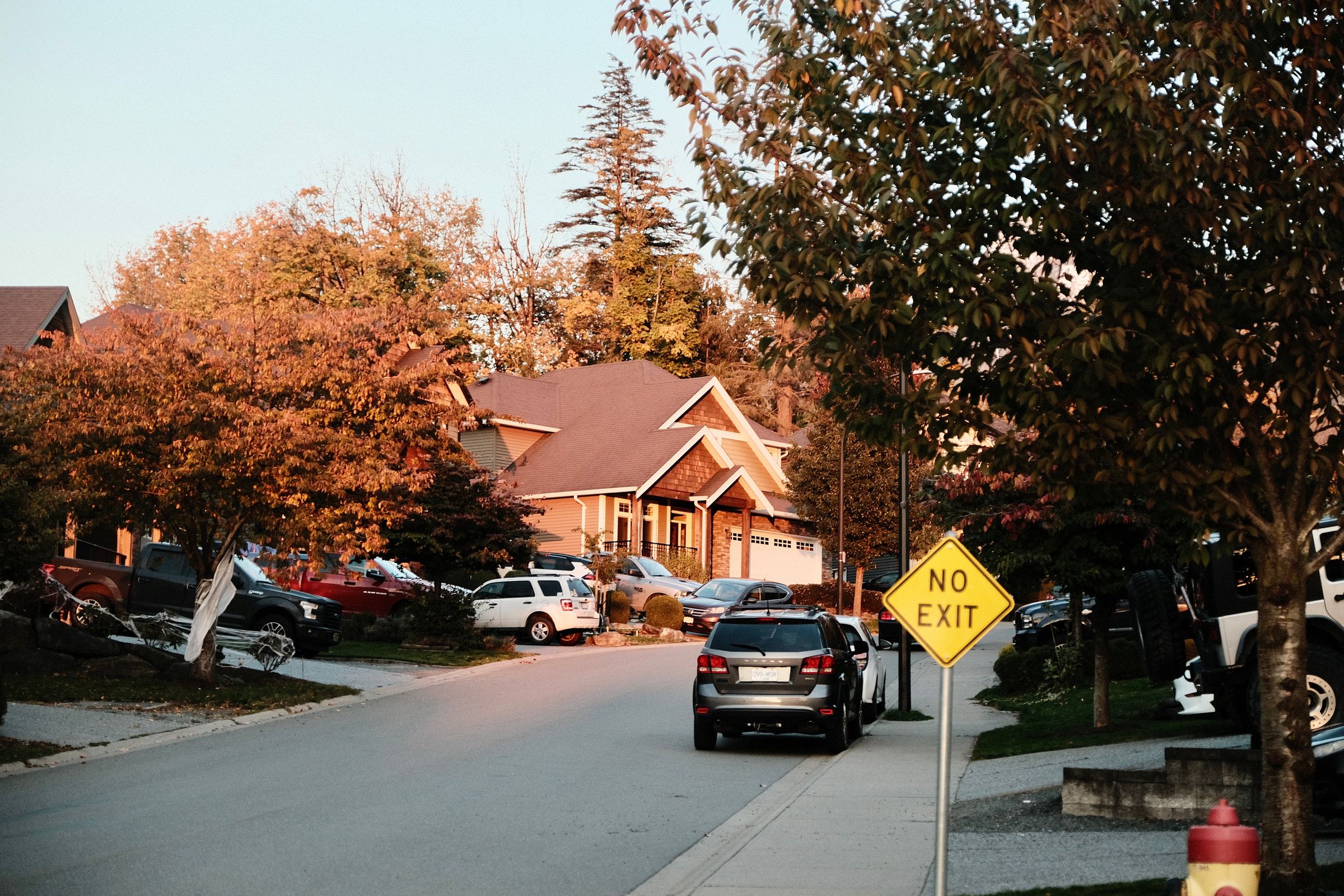
Richmond sits on a river delta below sea level protected by dikes, which shapes every foundation poured here. From heritage-flavoured Steveston to the estate lots of Broadmoor and Terra Nova, building well in Richmond means understanding the ground you're standing on as much as the neighbourhood around it.
What to Know About Building in Richmond
Richmond is a delta city sitting an average of about 1 metre above sea level, held back from the Fraser River and Georgia Strait by an extensive dike network. When a lot is redeveloped the new structure has to be built to or above the city's Flood Construction Level—this isn't optional and it's one of the first things we check before design work starts. Richmond's building safety requirements are among the strictest in BC because of this flood-proofing layer stacked on top of standard seismic code.
Permit applications for single-family homes go through Richmond's Building Approvals department (forms PL-35/PL-62) alongside plan review from multiple city departments—engineering, planning, and sometimes environmental depending on the site. Timelines depend heavily on how quickly an applicant responds to department comments; complete, well-prepared submissions move noticeably faster than ones that trigger revision cycles. The city has also been phasing in permit fee increases, so timing an application matters for budget as well as schedule.
Local Considerations and Challenges
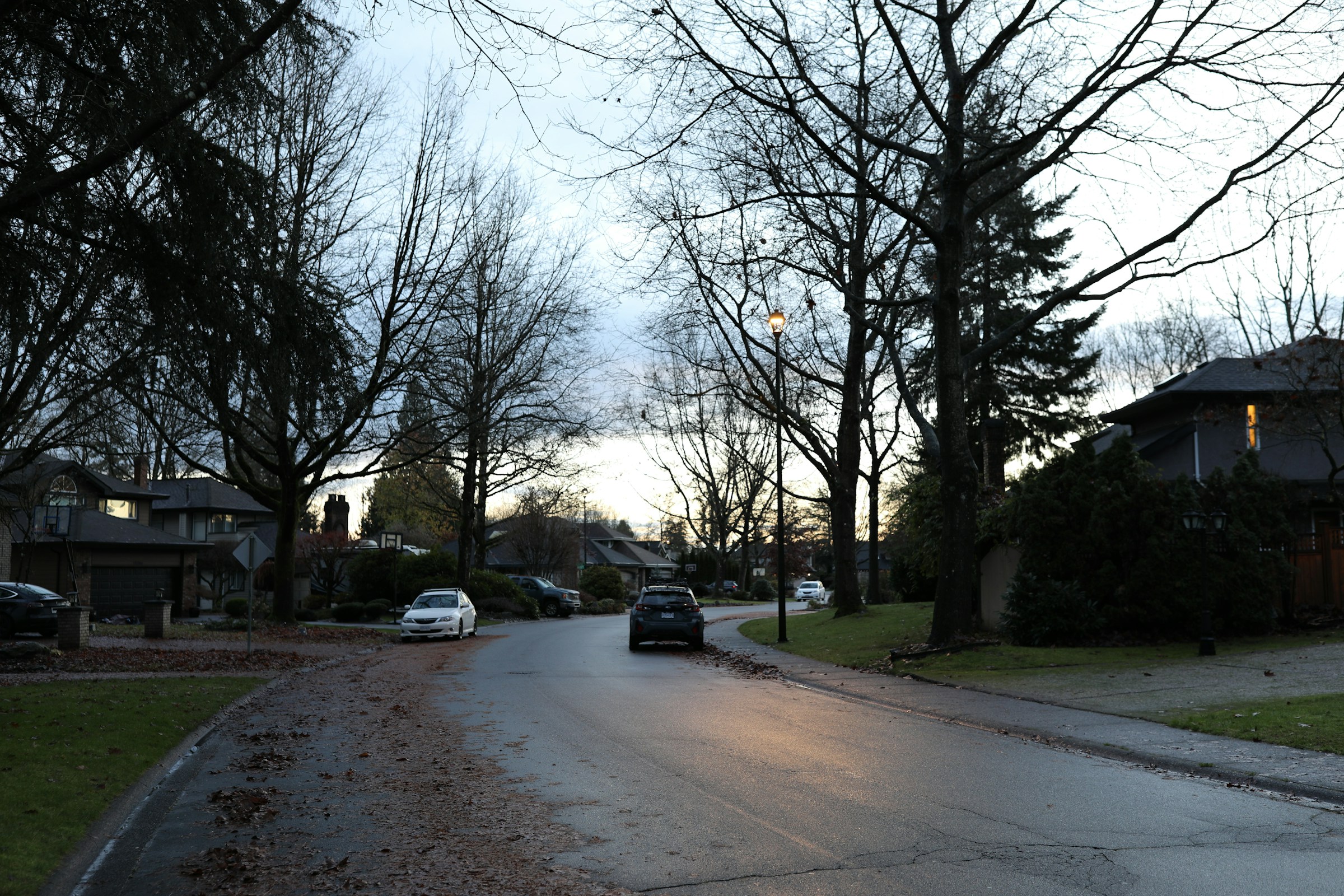
Richmond's Zoning Bylaw 8500 treats neighbourhoods differently rather than applying one blanket single-detached standard. Terra Nova, Steveston, West Cambie, and Hamilton each have their own single-detached provisions, and Broadmoor carries specific heritage and coach house rules. Knowing which schedule applies to a given lot changes what's buildable before a single drawing gets started.
Provincial small-scale multi-unit housing (SSMUH) rules now apply across most of the city—lots over roughly 3,000 sq ft can support three to four units, and larger lots near frequent transit can go up to six. Richmond secured a provincial extension deferring SSMUH in the core Steveston village area (roughly bounded by Steveston Highway, No. 1 Road, Chatham Street, and 7th Avenue) until the end of 2030, so standard single-family rules still hold there for now. Rezoning applications (referenced by an "RZ" file number) are a separate track from a straightforward building permit and worth flagging early if a project needs one.
Cost of Building in Richmond
Custom construction in Richmond generally runs in the $450-750/sq ft range depending on finish level and site complexity, with flood-proofing, pile foundations on soft delta soil, and elevated Flood Construction Level requirements adding real cost that a Vancouver or inland-Burnaby build wouldn't carry. Development cost charges are collected at the building permit stage, and the city's phased fee increases are worth factoring into a project timeline.
Land value varies sharply by neighbourhood—Broadmoor and Terra Nova lots often run 7,000-9,000+ sq ft and support custom homes well into the $2-4M+ range, while Garden City and other central neighbourhoods offer more accessible entry points on smaller, older lots. Steveston's protected status through 2030 keeps its character (and land values) relatively stable compared to areas actively densifying under SSMUH.
Who's Building in Richmond
Richmond has one of the most multicultural populations in Metro Vancouver, and that shows up directly in what gets built—large, multi-generational custom homes with big kitchens, secondary suites, and flexible living space are common requests, particularly in Broadmoor and Terra Nova. Families here often want a house sized for grandparents, grown kids, and guests under one roof, not just a starter home.
Steveston draws buyers who want the village's fishing-town character and heritage feel and are renovating within that context rather than tearing down. Garden City and the more central neighbourhoods attract a broader mix—young families, long-time residents updating post-war housing stock, and investors responding to SSMUH's new density allowances. Waterfront and dike-adjacent lots appeal to clients who specifically want the water access and trail proximity Richmond's geography offers.
-
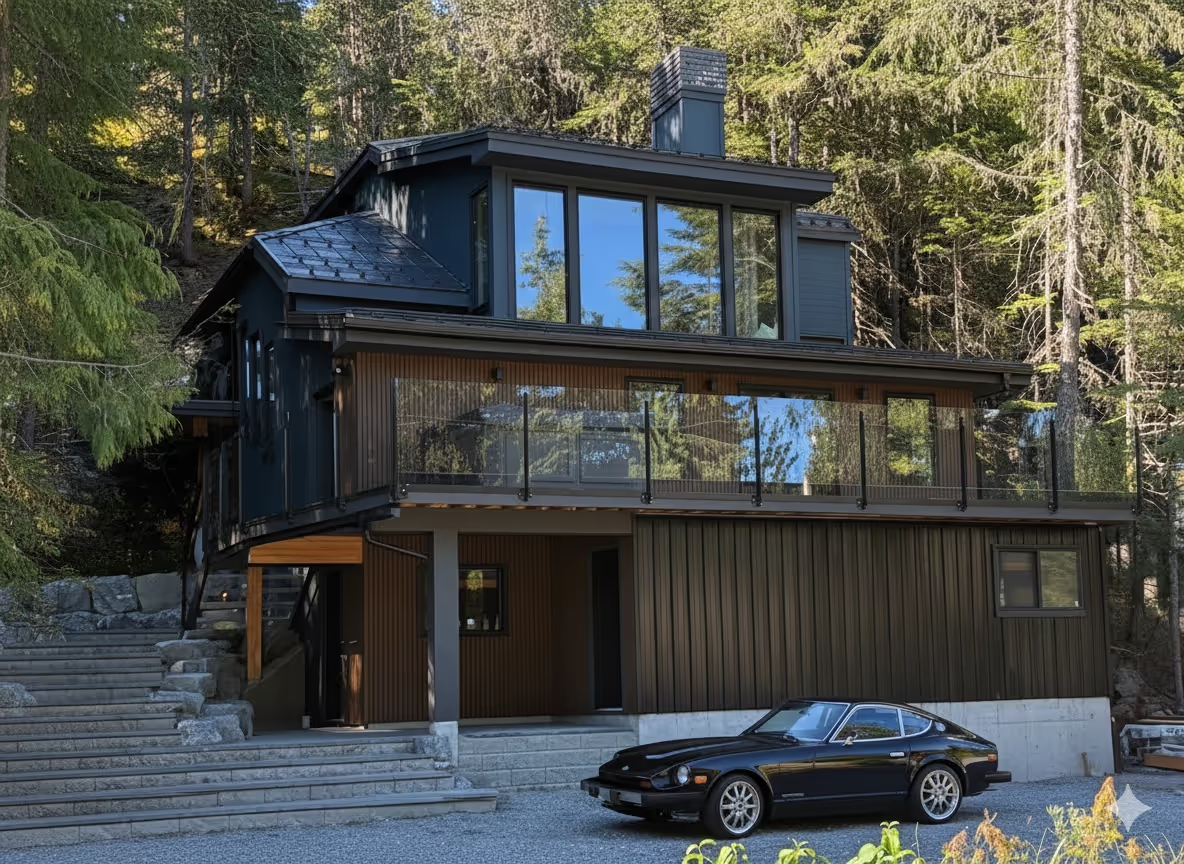
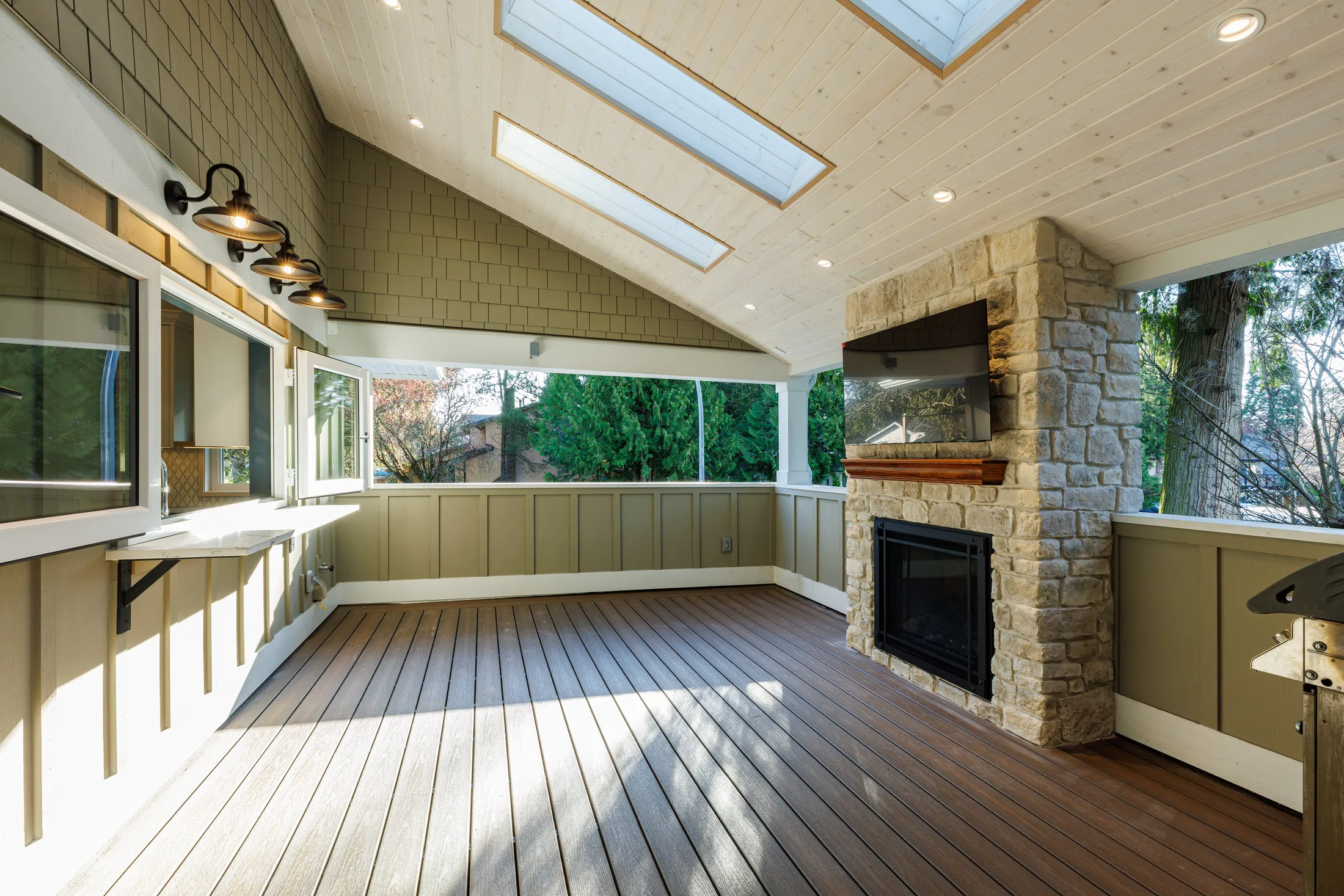
Build your dream home from the ground up
Custom Homes
read more -
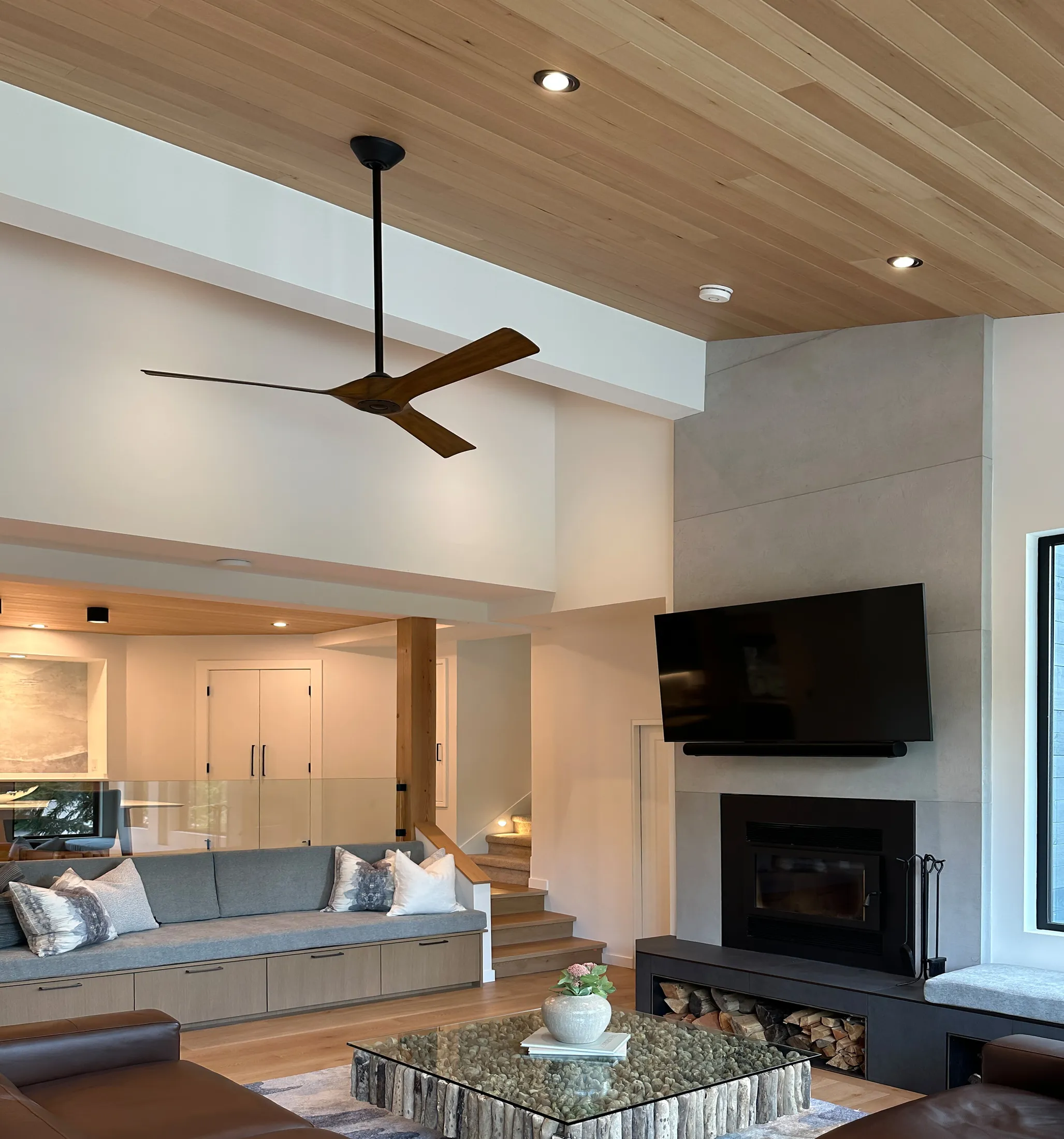
Complete home transformations tailored to how you live
Home Renovations
read more -
Design-build collaboration from concept to construction
Architectural Design
read more -
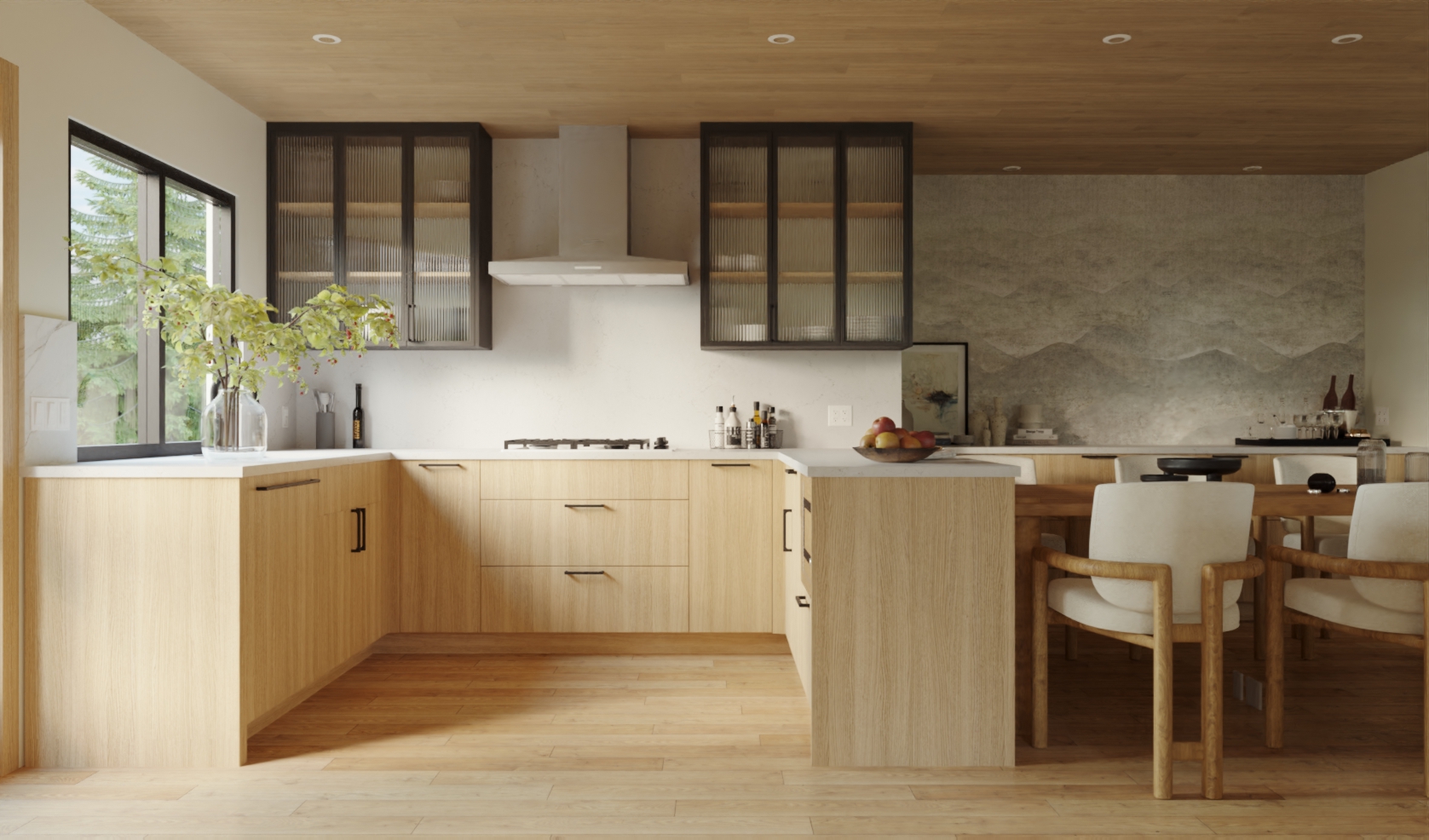
Transform your kitchen with expert design and execution
Kitchen Renovations
read more -
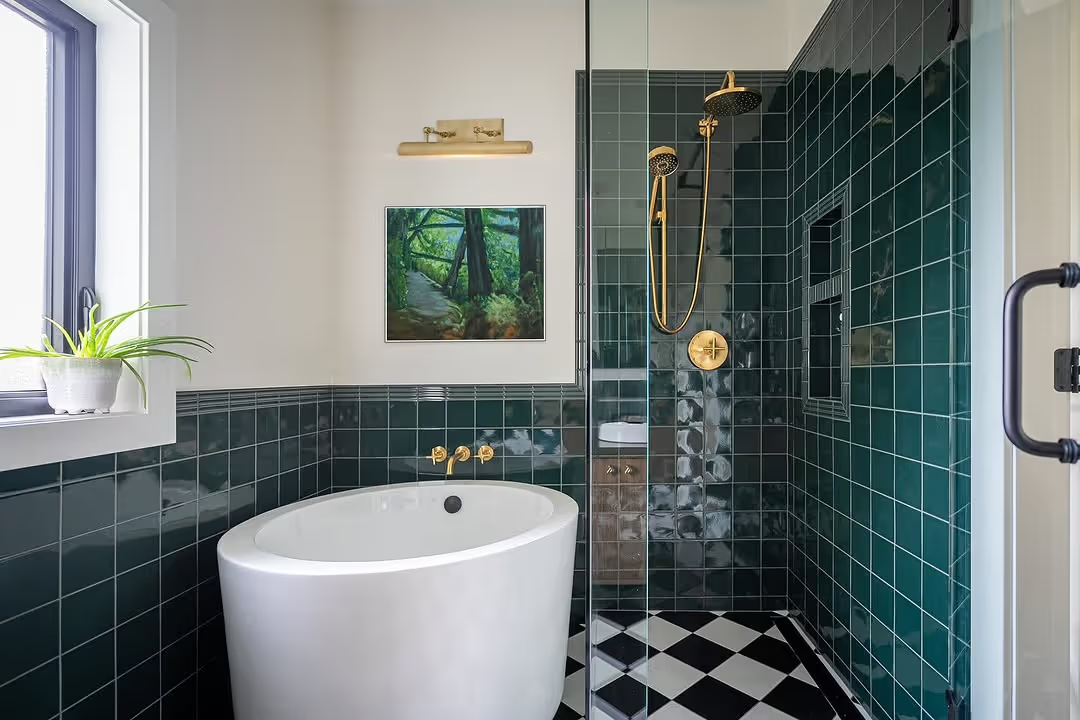
Create your spa-like retreat with quality craftsmanship
Bathroom Renovations
read more -
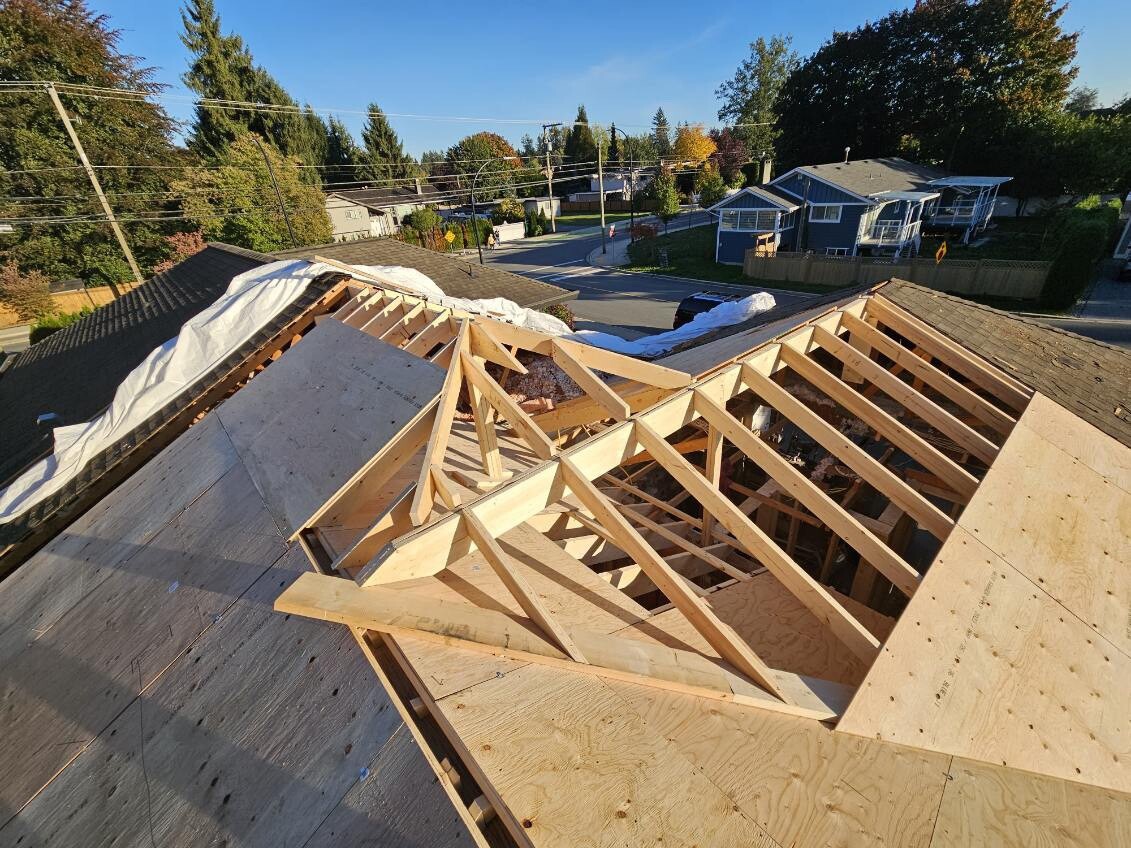
New home construction with full project management
Home Construction
read more -
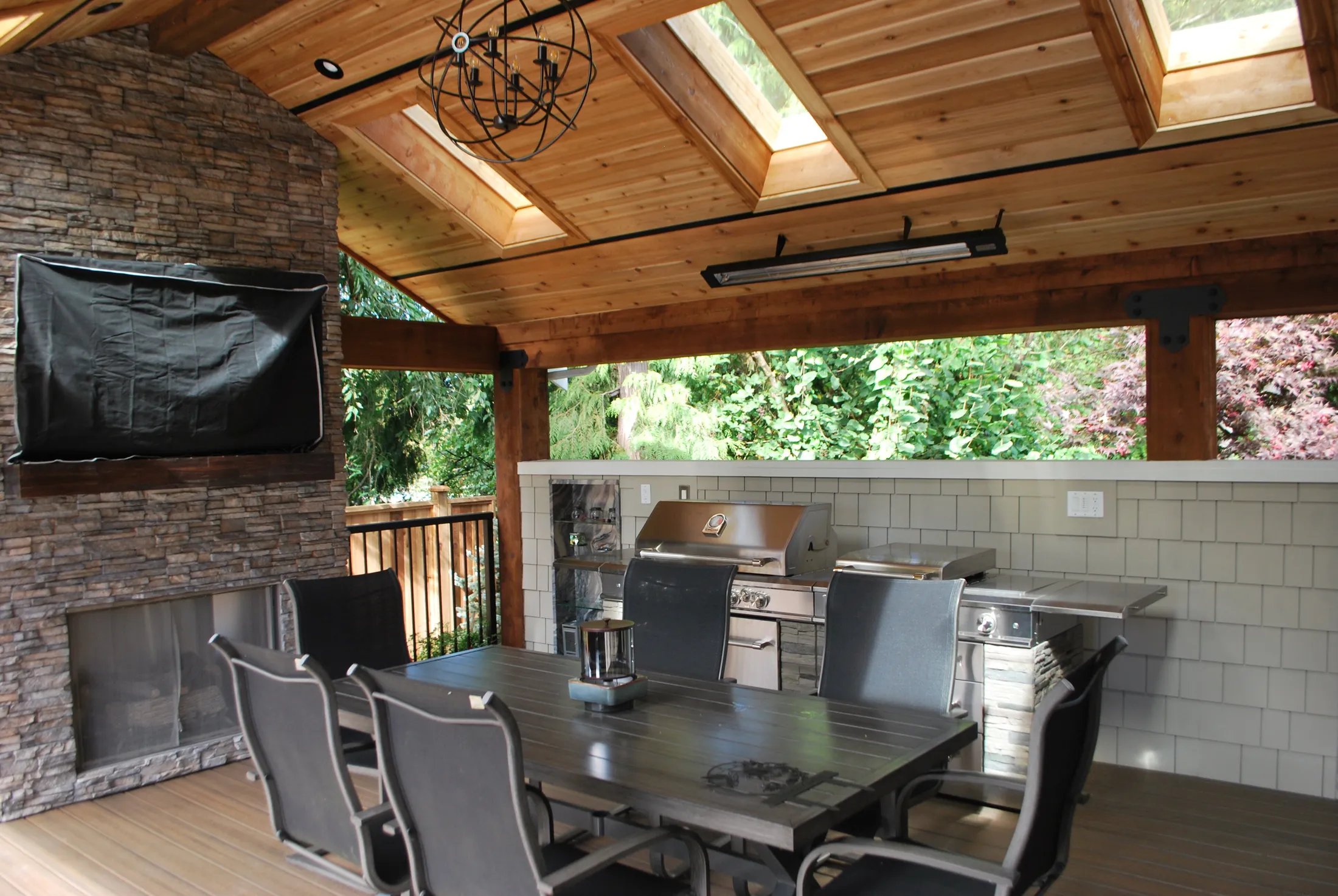
Expand your living space without moving
Home Additions
read more -
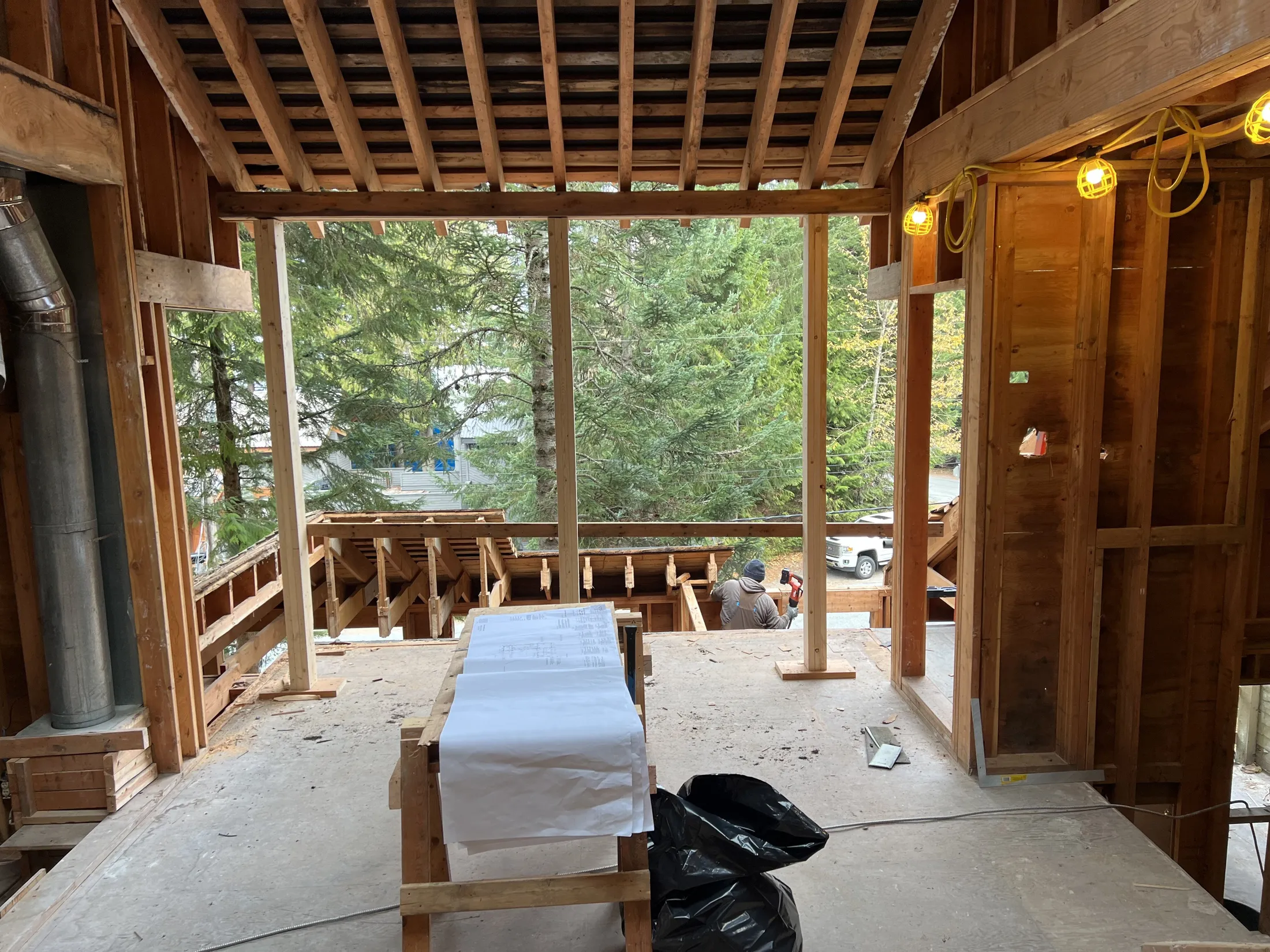
Add space without losing your lot
Second Story Additions
read more
frequently asked questions
If you don't see yours here, get in touch and we'll help.
How long do building permits take in Richmond?
Timelines vary by project complexity and how quickly an applicant addresses department comments—incomplete submissions restart review cycles. Complete, well-prepared applications move meaningfully faster. We manage this process closely so clients aren't the ones chasing down deficiency notices.
Why does flood construction level matter for my build?
Richmond sits about a metre above sea level and relies on dikes for flood protection. When a lot is redeveloped, the city requires the new structure to be built to or above its Flood Construction Level. This affects foundation design and site elevation from day one, so it needs to be part of the plan before design finishes, not after.
What neighbourhoods are best for custom homes in Richmond?
Broadmoor and Terra Nova offer the largest lots and the strongest custom-home market, often 7,000-9,000+ sq ft. Steveston has heritage character and is currently protected from the province's small-scale multi-unit rules until 2030. Garden City and other central areas offer smaller, more accessible lots for renovation or rebuild projects.
Does small-scale multi-unit housing (SSMUH) apply to my lot?
Mostly yes—provincial legislation now allows three to six units on most Richmond lots depending on size and transit proximity. The core Steveston village area has a deferral until the end of 2030 and still follows standard single-family zoning. We check this early since it affects what's actually buildable on a given site.
Is Richmond more expensive to build in than Burnaby or Surrey?
Generally yes, largely because of flood-proofing and foundation requirements tied to Richmond's delta geography—expect that premium layered on top of standard construction costs regardless of neighbourhood. Land costs then vary widely from Broadmoor's estate lots to more modest central-Richmond properties.