Building in New Westminster
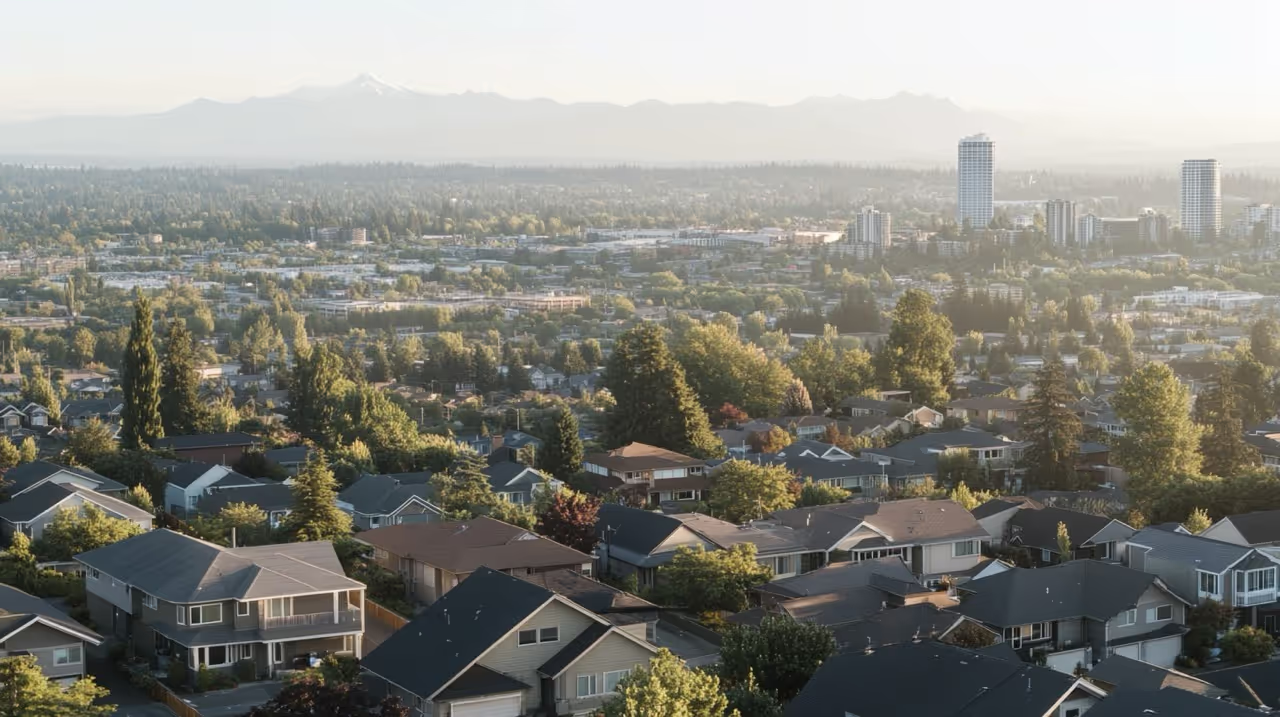
New Westminster is BC's oldest city, and it builds like it—steep river-facing slopes, a protected heritage neighbourhood in Queen's Park, and streets laid out long before anyone thought about modern setbacks. From Sapperton's revitalizing streets to Queen's Park's century-old character homes, this is a city where the lot's history matters as much as its size.
What to Know About Building in New Westminster
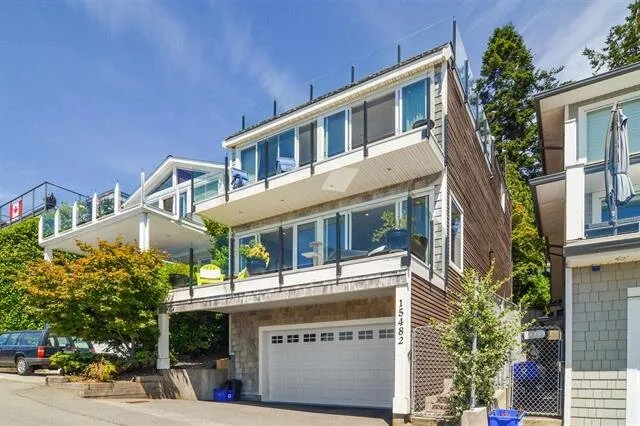
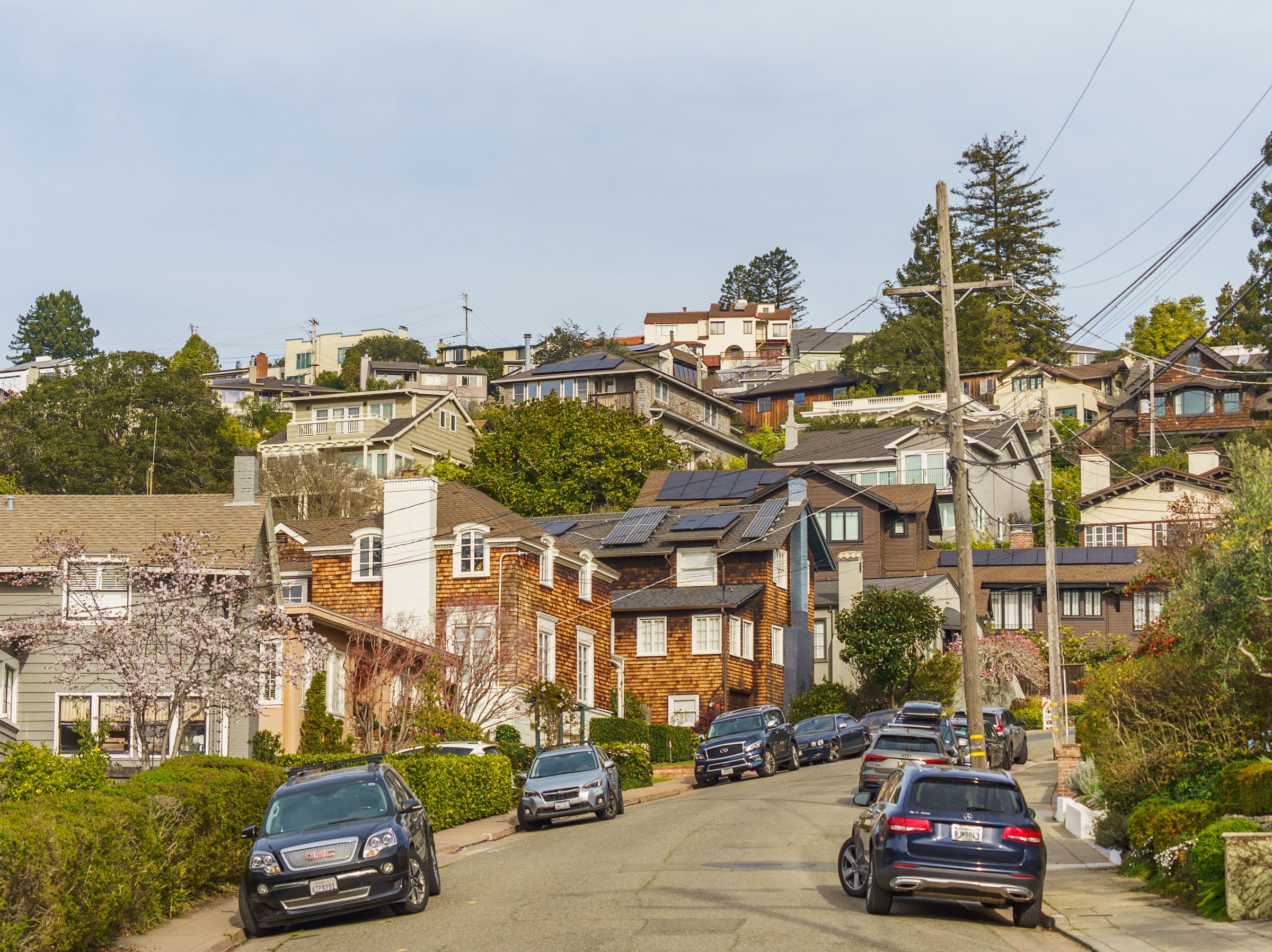
New Westminster was founded in 1859 as the original capital of the Colony of British Columbia, making it BC's oldest incorporated city. That history is baked into the terrain—much of the city sits on slopes running down toward the Fraser River, and Queen's Park and Sapperton in particular have some of the steepest residential lots in the Lower Mainland. Almost any tall retaining wall here needs an engineered design and its own permit, and a geotechnical survey is often worth commissioning before finalizing a design, not after.
Standard residential permits typically move in the range of a few weeks to a couple months depending on project type and completeness of the application—New Westminster is a smaller municipality than Vancouver or Surrey, which generally works in a homeowner's favour on turnaround. Heritage-area projects run on a longer clock, which is worth planning around from the start.
Local Considerations and Challenges
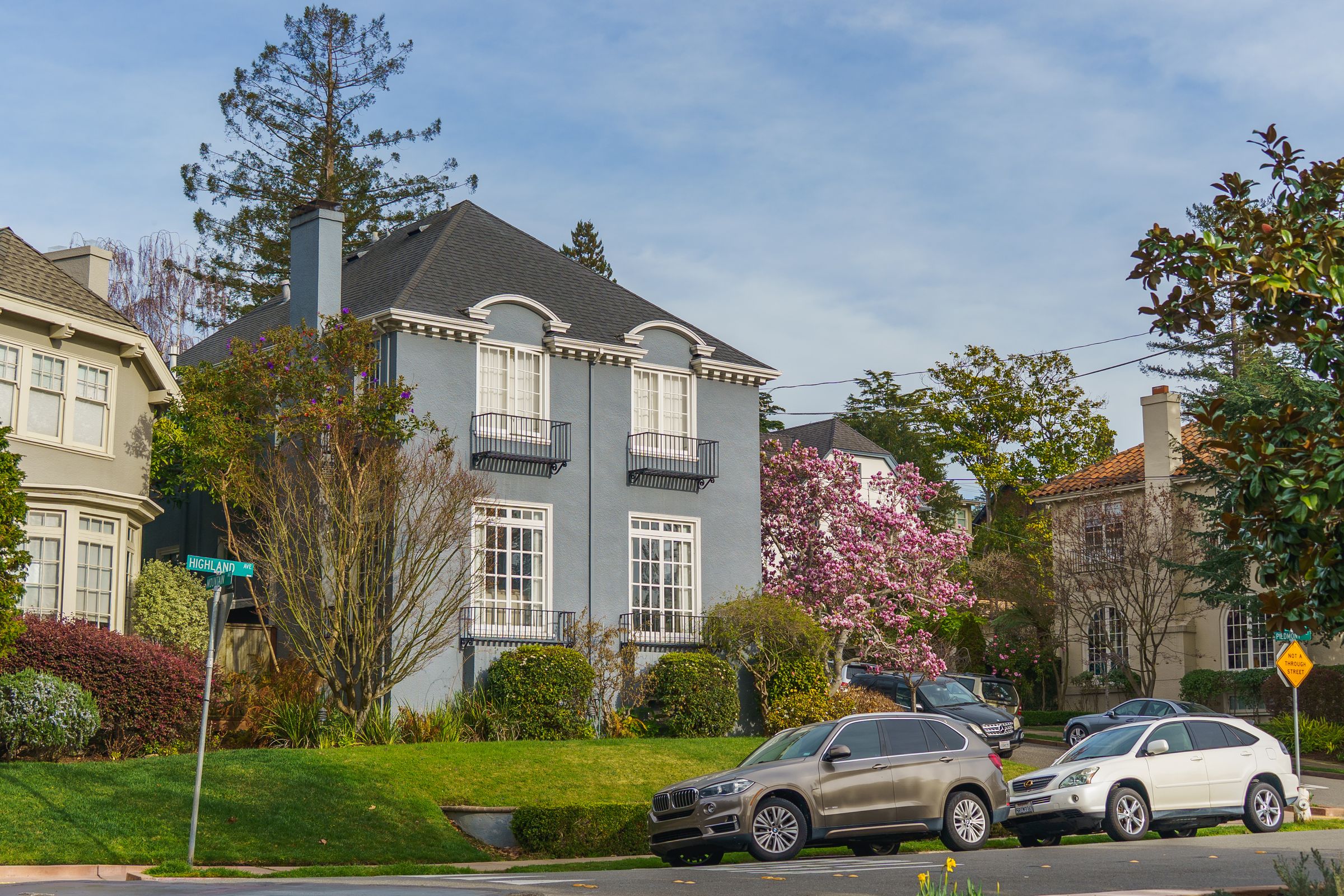
Queen's Park is New Westminster's standout feature for anyone considering a renovation or rebuild—it's a designated Heritage Conservation Area covering roughly 700 properties, split into Protected and Non-protected classifications. Building permits for new construction, demolition, or any change to the front, sides, or visible roofline of a Protected property require a Heritage Alteration Permit reviewed against the neighbourhood's design guidelines, and that review adds real time to a project. In exchange, Protected properties get real incentives—additional density, special provisions under the BC Building Code, and no heritage permit fees.
Outside Queen's Park, the city's hillside geography still matters—Sapperton and the Quayside area also see frequent retaining wall and slope stabilization work tied to older, steeply graded lots. Provincial small-scale multi-unit housing rules apply across most of the city, with New Westminster moving toward full six-unit density by 2026; Queensborough has a separate compliance timeline extended to 2029 while the city studies water and sewer capacity on the island. Development cost charges are collected ahead of building permit issuance, and standard BC Building Code applies without Vancouver's elevated step code requirements.
Cost of Building in New Westminster
New Westminster sits below Vancouver on land cost, which keeps overall project budgets more accessible even before accounting for construction specifics. That said, steep-lot engineering—retaining walls, subdrain systems, foundation work suited to sloped sites—adds cost in Queen's Park and Sapperton that a flatter lot elsewhere in the city wouldn't carry. Heritage Alteration Permit review in Queen's Park also extends pre-construction carrying time, which factors into overall project cost even when construction pricing itself is comparable to neighbouring municipalities.
Character home renovations in Queen's Park tend to run at a premium given the design guideline compliance work and the value of preserving original detailing, while Sapperton, Glenbrooke North, and Uptown generally offer more straightforward, cost-predictable builds. Queensborough's newer, flatter lots and separate DCC history make it a comparatively accessible entry point for new construction.
Who's Building in New Westminster
Queen's Park draws buyers who specifically want a heritage character home and are willing to work within the Heritage Conservation Area's guidelines to restore or thoughtfully update one—these are clients who value original detailing and want a renovation partner who understands what the city's design review actually expects. Sapperton is drawing younger families and professionals into a neighbourhood that's visibly changing, close to Royal Columbian Hospital and a growing food-and-brewery scene, often renovating older homes on challenging sloped lots.
Glenbrooke North attracts family buyers looking for a settled, walkable neighbourhood near schools and parks, typically in cozy mid-century bungalows being modernized rather than rebuilt from scratch. Uptown's more urban, mixed-housing character suits buyers who want city amenities within a smaller-city footprint. Across the board, New Westminster's compact size and SkyTrain access along the Expo Line make it attractive to people who want a shorter commute into Vancouver or Surrey without inland-suburb sprawl.
-
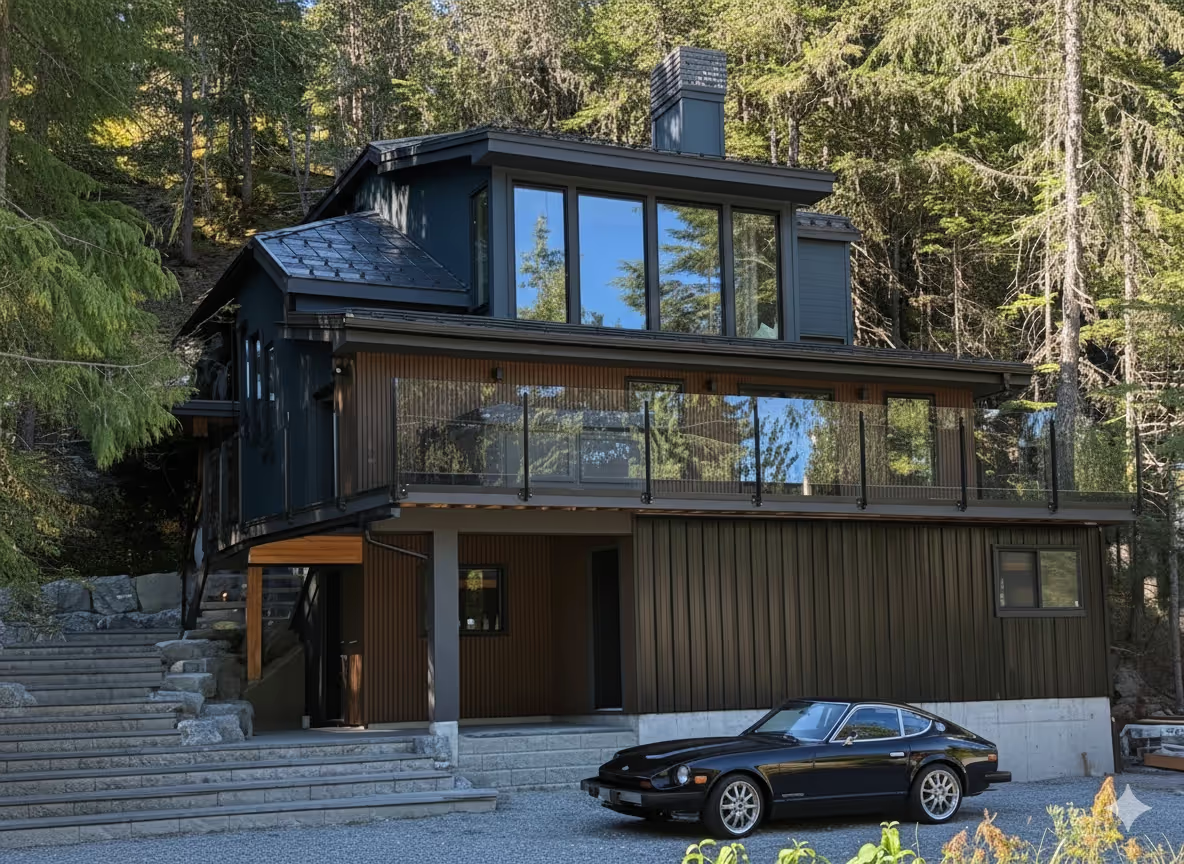
Build your dream home from the ground up
Custom Homes
read more -
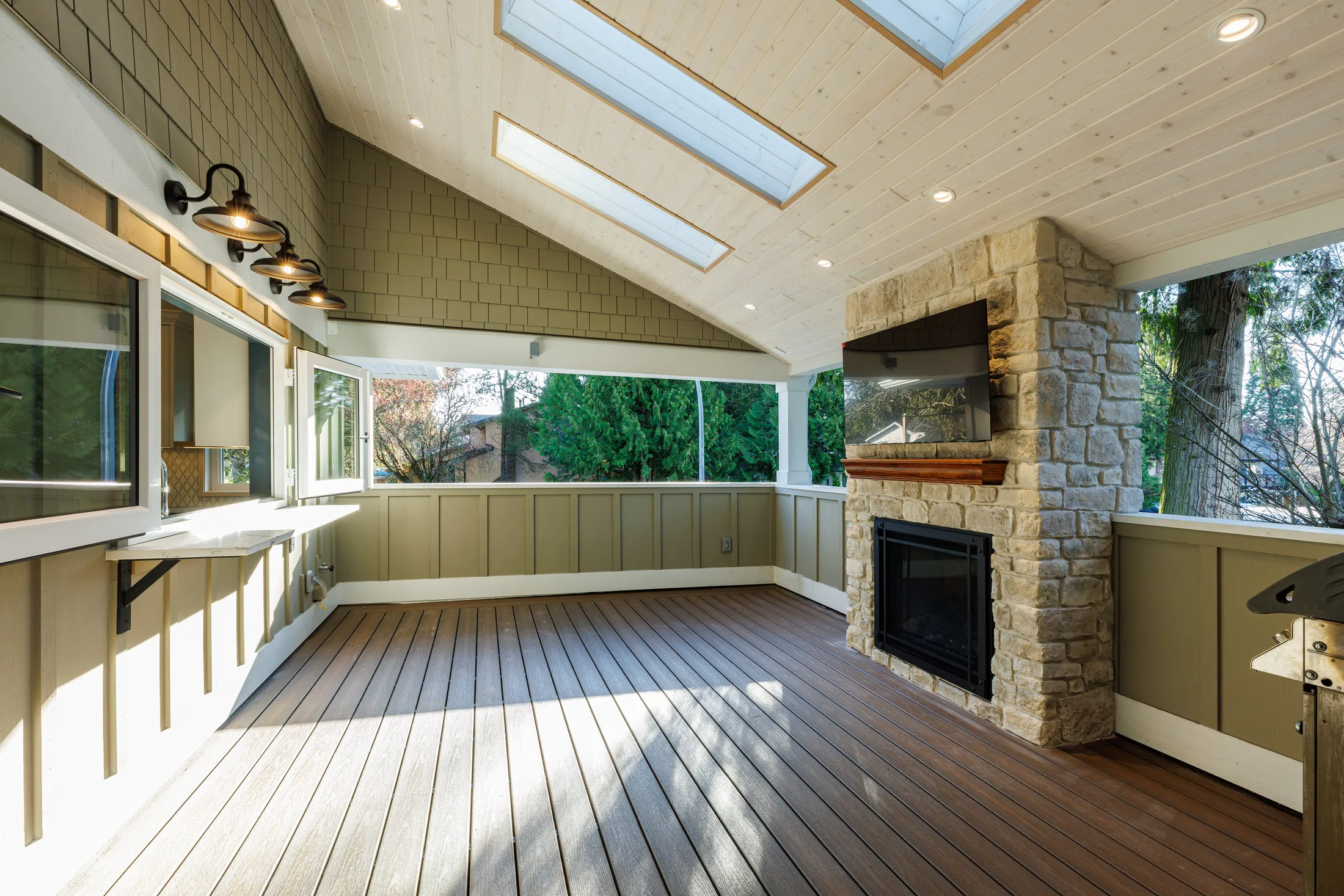
Complete home transformations tailored to how you live
Home Renovations
read more -

Design-build collaboration from concept to construction
Architectural Design
read more -
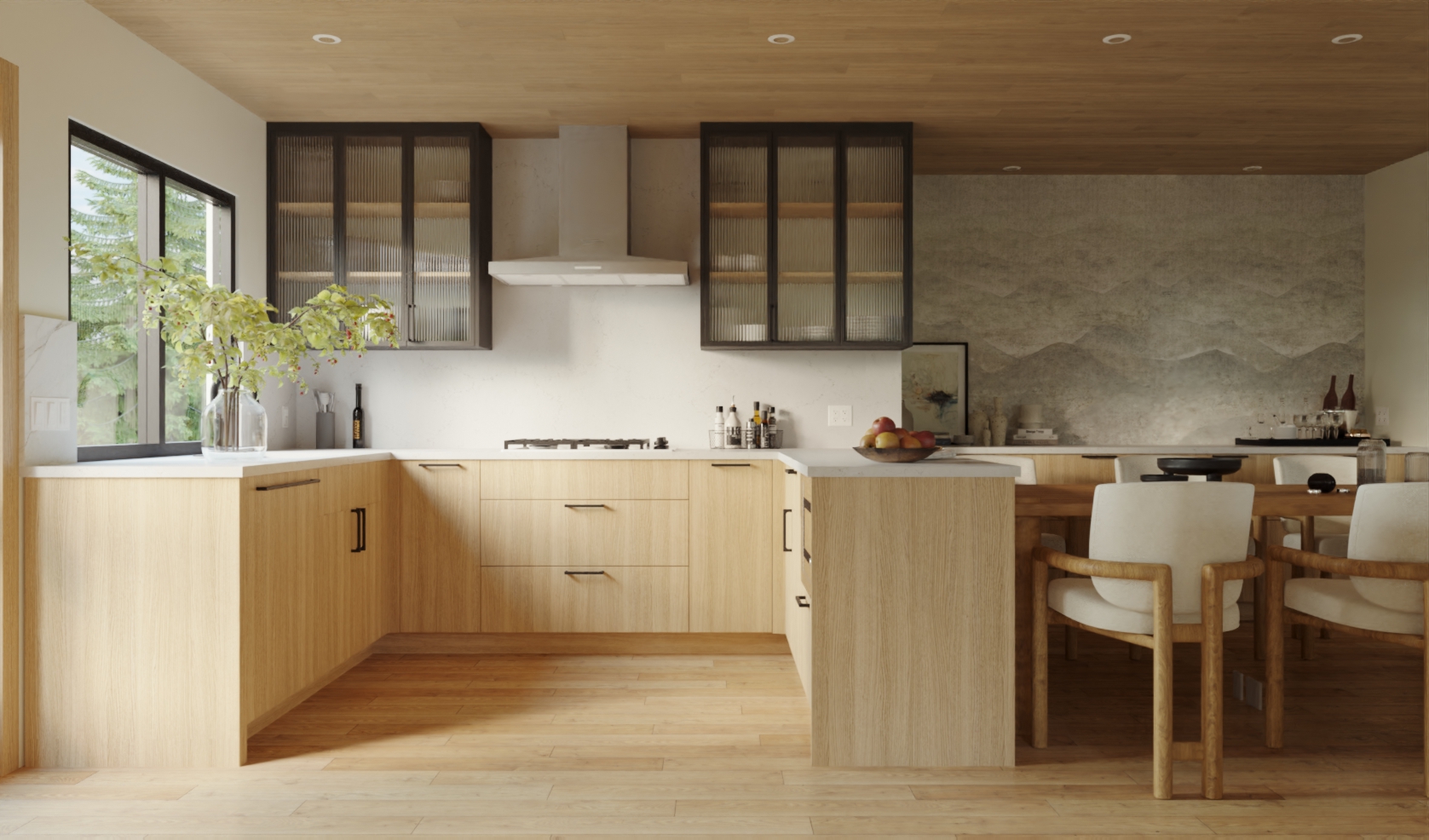
Transform your kitchen with expert design and execution
Kitchen Renovations
read more -
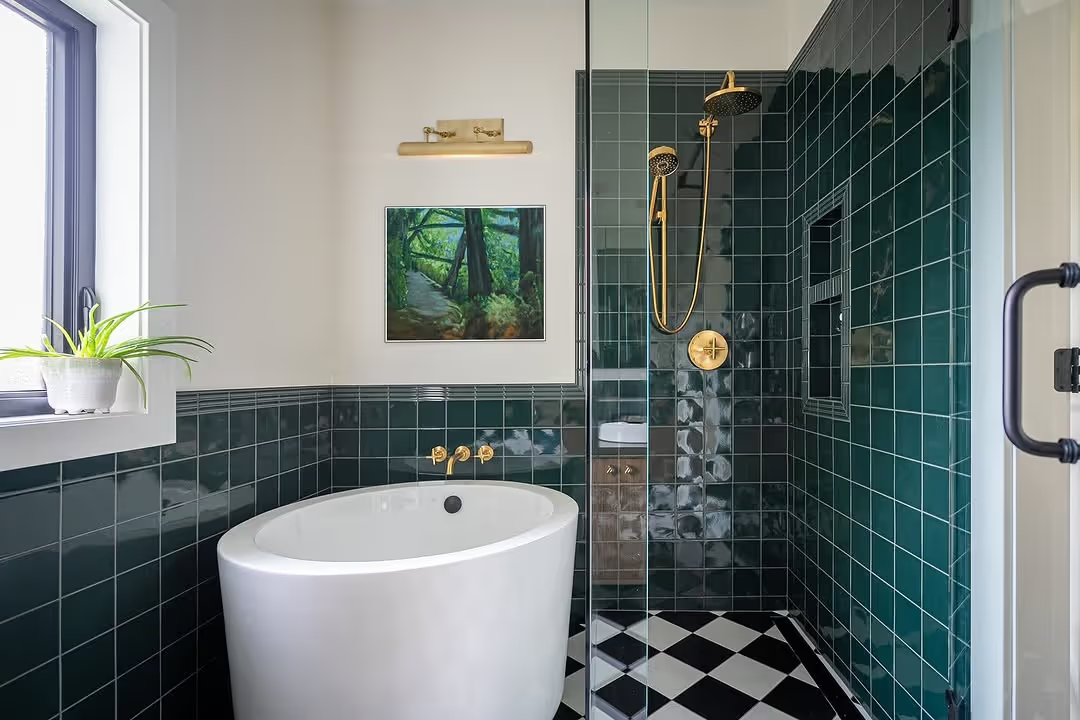
Create your spa-like retreat with quality craftsmanship
Bathroom Renovations
read more -
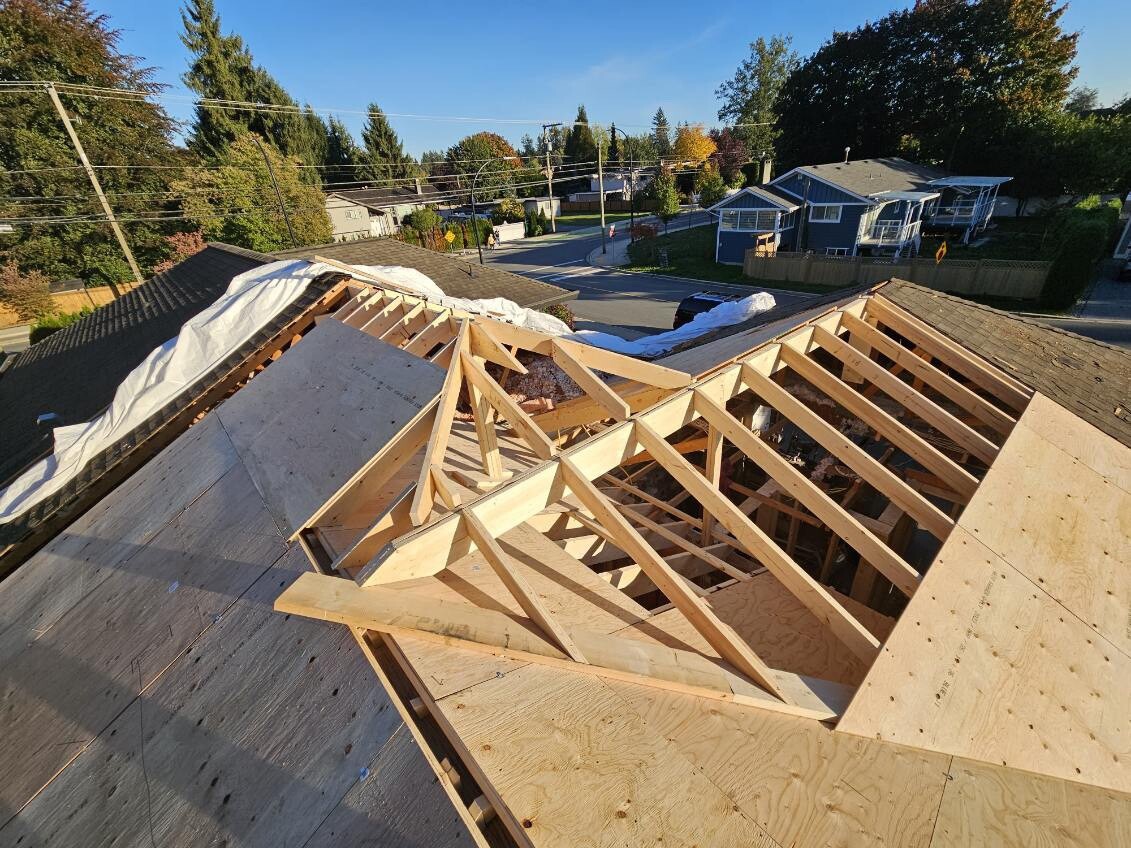
New home construction with full project management
Home Construction
read more -
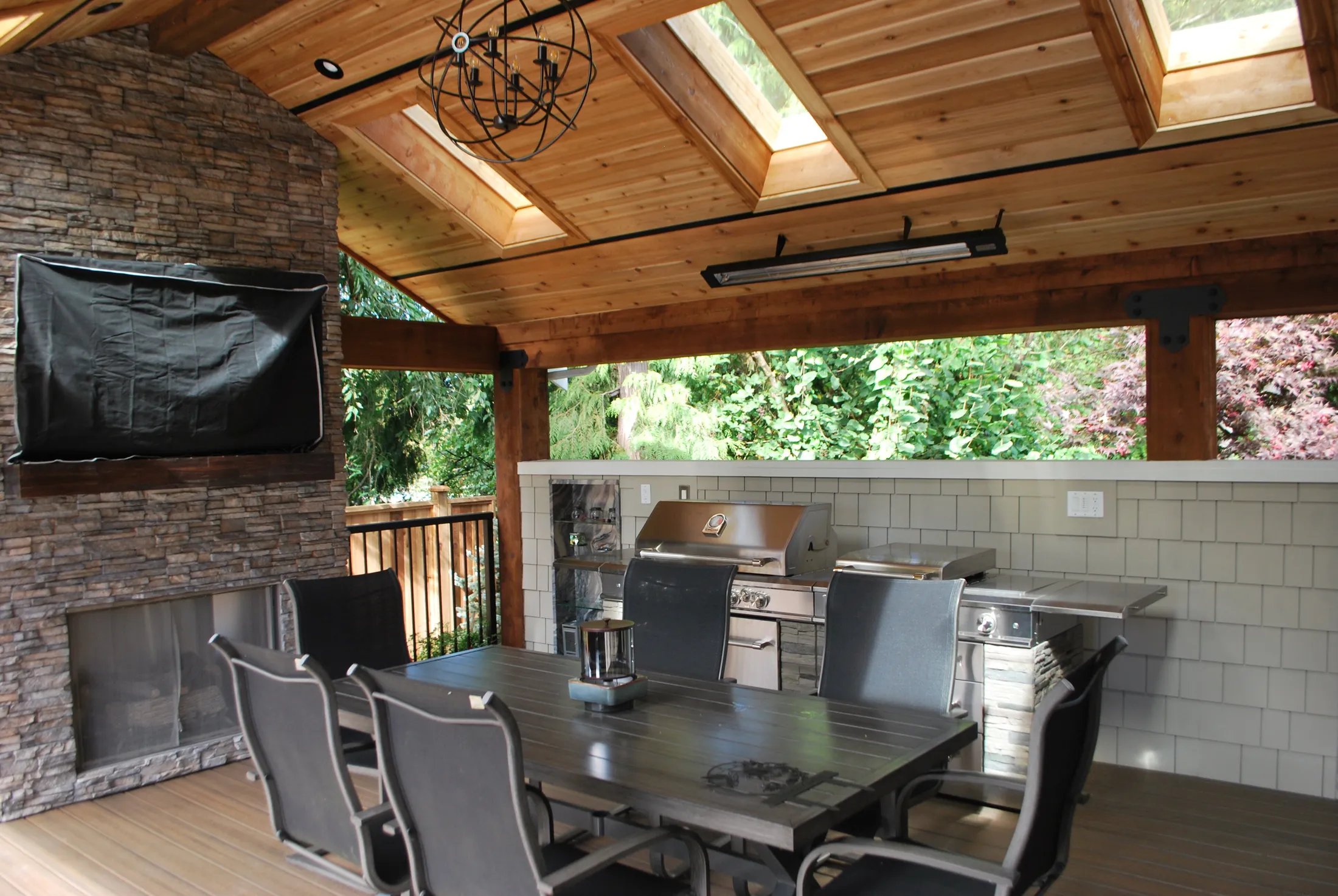
Expand your living space without moving
Home Additions
read more -
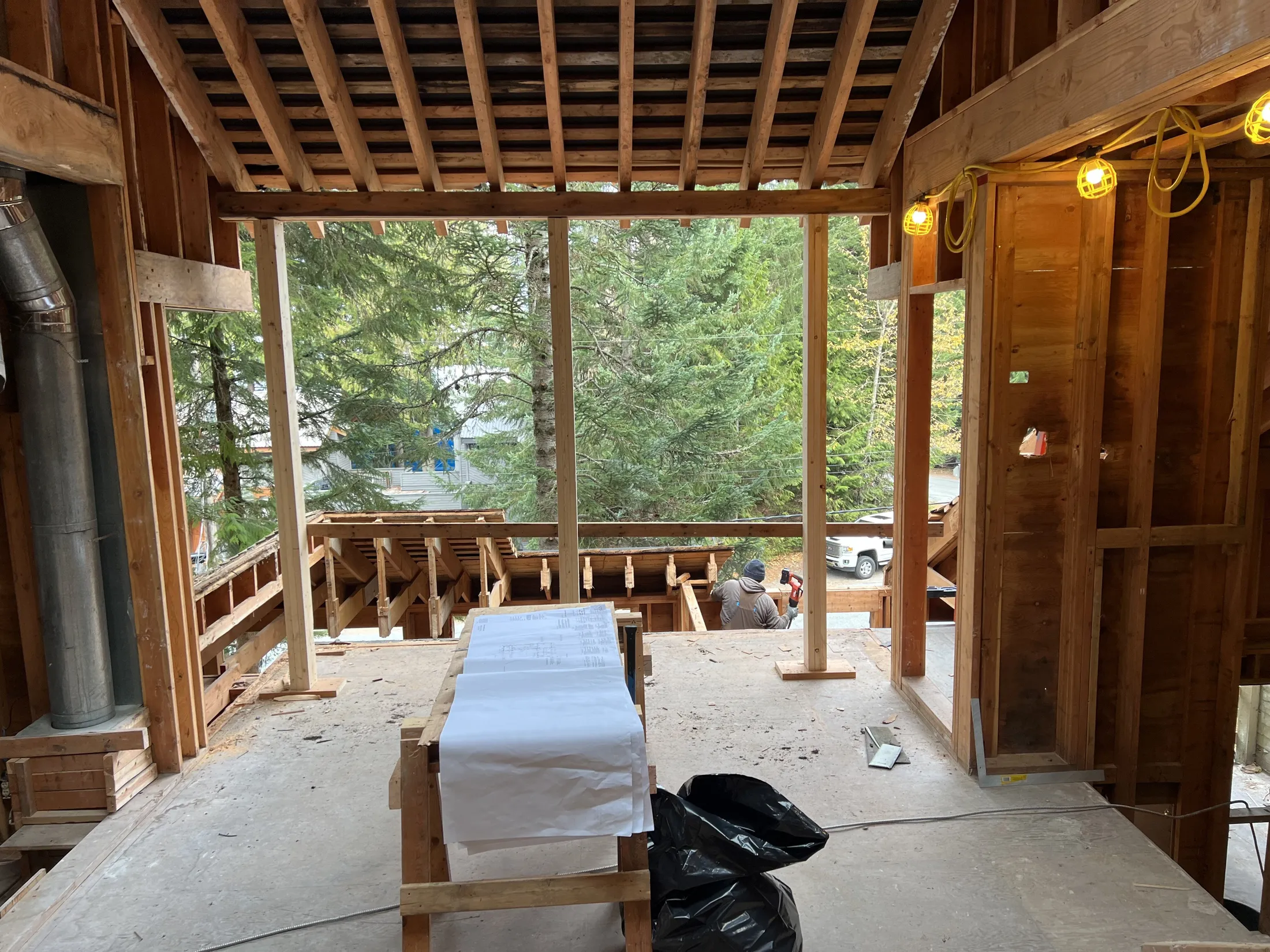
Add space without losing your lot
Second Story Additions
read more
frequently asked questions
If you don't see yours here, get in touch and we'll help.
How long do building permits take in New Westminster?
Standard permits generally take a few weeks to a couple of months depending on project scope and how complete the initial application is. As a smaller municipality, New Westminster often moves faster than Vancouver or Surrey on comparable projects—except inside the Queen's Park Heritage Conservation Area, where Heritage Alteration Permit review adds meaningful time.
What is the Queen's Park Heritage Conservation Area and does it affect my project?
It's a designated heritage area covering roughly 700 properties, split into Protected and Non-protected classifications. If your property is Protected, new construction, demolition, or changes to the front, sides, or visible roofline require a Heritage Alteration Permit reviewed against neighbourhood design guidelines. It also comes with real upside—added density allowances, special BC Building Code provisions, and no heritage permit fees.
Why do so many New Westminster projects need retaining walls?
The city's terrain slopes steeply down toward the Fraser River, especially in Queen's Park, Sapperton, and Quayside. Almost any tall retaining wall needs an engineered design and a city permit, and a geotechnical survey is often worth doing early so foundation and site design account for the slope from the start.
What neighbourhoods are best for custom builds or major renovations?
Queen's Park is the destination for heritage-sensitive character home work. Sapperton and Glenbrooke North suit renovation and rebuild projects on more typical residential lots. Uptown offers a more urban mix, and Queensborough's newer, flatter lots make it the most straightforward area for new construction.
Does small-scale multi-unit housing (SSMUH) apply in New Westminster?
Yes, across most of the city, with New Westminster working toward full six-unit density by 2026. Queensborough has its own extended timeline to 2029 while the city studies infrastructure capacity there. We check current zoning on a given lot early since these rules have been shifting year to year.